Email marketing remains one of the most powerful digital marketing channels, but its effectiveness depends heavily on the quality of the email data being used. Poor-quality email lists filled with invalid, outdated, or fake addresses can damage sender reputation, reduce deliverability, and waste marketing budgets. This is where email list verification software for data cleaning becomes essential, helping organizations maintain accurate, high-performing databases that drive measurable results.
TLDR: Email list verification software helps businesses clean and validate their email databases by removing invalid, risky, and inactive addresses. This improves deliverability, protects sender reputation, and increases marketing ROI. By using automated verification techniques such as syntax checks, domain validation, and SMTP authentication, companies ensure their campaigns reach real users. Clean data ultimately translates into better engagement, lower bounce rates, and higher conversions.
In today’s competitive digital landscape, companies cannot afford to rely on outdated or unreliable contact information. Data cleaning through email verification tools ensures that every message sent stands the best possible chance of landing in a real inbox rather than bouncing back or being flagged as spam.
What Is Email List Verification Software?
Email list verification software is a specialized tool designed to analyze and validate email addresses within a database. Its primary purpose is to identify:
- Invalid or non-existent email addresses
- Misspelled domains
- Disposable or temporary email accounts
- Spam traps
- Duplicate entries
- Role-based emails such as info@ or support@
By filtering out problematic contacts, the software ensures that marketing campaigns target legitimate recipients. This preventative approach is far more efficient than suffering the consequences of high bounce rates and damaged domain reputation.
Why Clean Email Data Matters
Email marketing success is closely tied to sender reputation. Internet Service Providers (ISPs) evaluate metrics such as bounce rates, spam complaints, and engagement levels to determine whether future emails should be delivered to inboxes or filtered into spam folders.
Unverified email lists often contain outdated or fake addresses that cause:
- Hard bounces – permanent delivery failures
- Soft bounces – temporary delivery issues
- Spam trap hits – triggering blacklist alerts
- Poor engagement rates
Maintaining clean data protects domain authority and IP reputation, which are critical for long-term email deliverability. Without proper hygiene, even well-crafted campaigns can fail before they reach the audience.
How Email Verification Software Works
Modern email list verification solutions combine several validation methods to ensure accuracy. These processes typically occur automatically and in real-time or batch mode.
1. Syntax and Formatting Check
The software first verifies that each email address follows correct formatting standards, such as the presence of an “@” symbol and valid domain structure.
2. Domain Verification
Next, it confirms that the domain actually exists and is capable of receiving emails by checking DNS and MX records.
3. SMTP Authentication
The tool may connect to the mail server to confirm whether the specific email address exists without sending an actual message.
4. Disposable Email Detection
Temporary email services are commonly used for one-time signups. These are flagged and removed to preserve list quality.
5. Spam Trap Identification
Advanced systems cross-reference data against known spam trap databases.
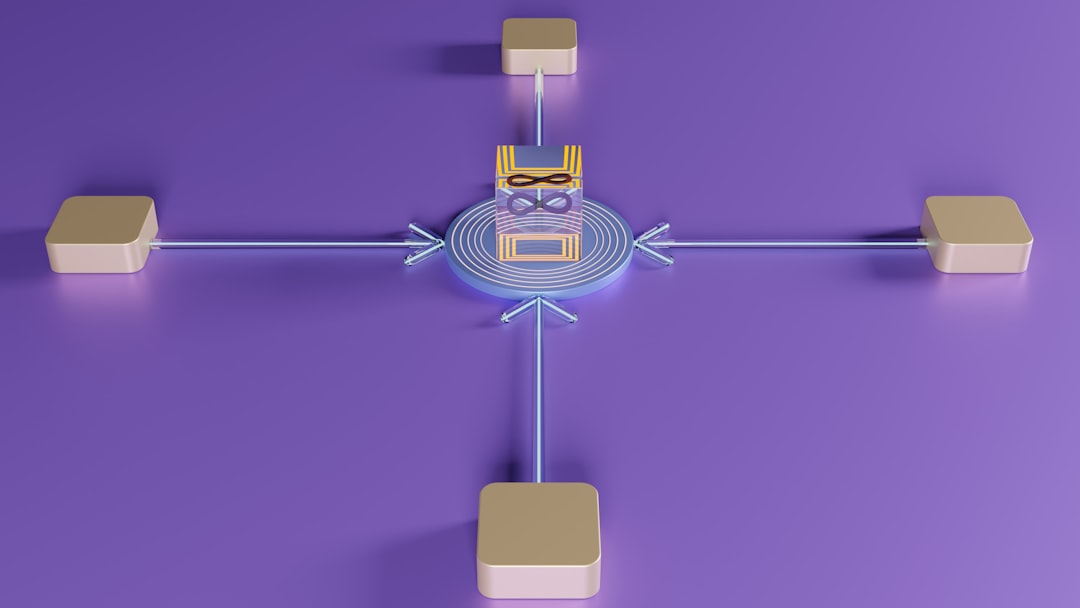
By combining these layers of validation, email list verification software significantly reduces risk while improving confidence in campaign performance.
Key Features to Look For
Not all verification tools offer the same capabilities. When selecting software for data cleaning, businesses should look for:
- Bulk verification for large datasets
- Real-time API integration for signup forms
- Detailed reporting dashboards
- GDPR and privacy compliance
- Duplicate detection
- Role-based email identification
- Risk scoring systems
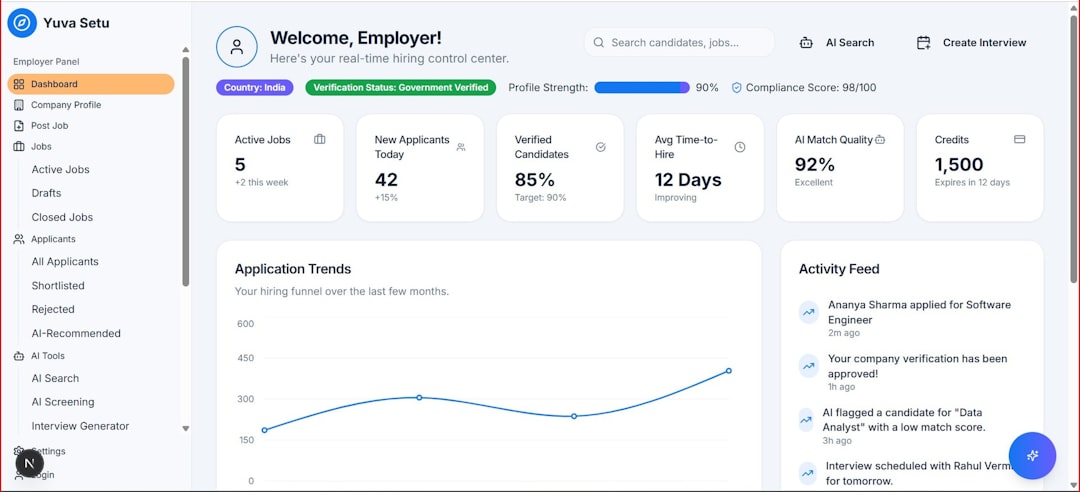
A comprehensive dashboard that provides categorized results allows marketing teams to make informed decisions about which contacts to keep, suppress, or segment.
Benefits of Using Email List Verification Software
Improved Deliverability
With fewer invalid addresses, bounce rates decrease significantly. This enhances sender reputation and improves inbox placement rates.
Higher Engagement Rates
When emails reach real people, open and click-through rates naturally increase, positively influencing campaign performance metrics.
Cost Savings
Many email marketing platforms charge based on the number of subscribers. Removing inactive or fake addresses reduces unnecessary costs.
Better Analytics Accuracy
Clean data ensures that engagement reports reflect genuine user behavior rather than distorted statistics caused by invalid contacts.
Protection Against Blacklisting
Avoiding spam traps and high bounce rates lowers the risk of being blacklisted by ISPs.
The Role of Automation in Data Cleaning
Manual list cleaning is not only time-consuming but also prone to error. Automation ensures consistent, repeatable, and scalable verification processes. Many organizations integrate verification APIs directly into signup forms, preventing invalid addresses from ever entering the system.
This proactive approach offers several advantages:
- Real-time error correction during user entry
- Instant feedback for typos in domain names
- Reduced data decay over time
- Continuous database hygiene
Automation also supports synchronization between CRM systems, marketing platforms, and customer databases, reducing inconsistencies across platforms.
When Should Businesses Clean Their Email Lists?
While regular maintenance is ideal, certain situations especially call for email verification:
- Before launching a major campaign
- After acquiring a new contact list
- Following event registrations or trade shows
- If bounce rates suddenly increase
- After prolonged inactivity in email marketing
Experts often recommend verifying lists at least once every quarter, depending on database growth and industry turnover rates.
Common Myths About Email Verification
Myth 1: Small lists don’t need cleaning.
Even small lists can harm sender reputation if they contain invalid or spam trap addresses.
Myth 2: Verification guarantees 100% delivery.
While it significantly improves deliverability, factors such as content quality and sending frequency still impact inbox placement.
Myth 3: One-time cleaning is enough.
Email data naturally decays over time. Ongoing verification is essential for consistent performance.
Choosing the Right Solution
Selecting the appropriate email list verification software depends on business size, budget, and technical requirements. Small businesses may prioritize affordability and ease of use, while larger enterprises often require API access, advanced reporting, and seamless CRM integration.
Decision-makers should evaluate:
- Pricing models (per email vs. subscription)
- Verification accuracy rates
- Data security certifications
- Customer support availability
- Integration capabilities with existing tools
Conducting a trial run on a sample list can provide valuable insights into performance and reliability before committing to a platform.
The Future of Email Data Cleaning
As artificial intelligence and machine learning continue to evolve, email verification software is becoming more sophisticated. Predictive risk scoring, behavior-based validation, and intelligent bounce prediction models are improving accuracy even further.
In addition, stricter data protection regulations worldwide are driving demand for compliant data-cleaning solutions. Businesses are increasingly recognizing that quality outweighs quantity when it comes to email marketing lists.
Ultimately, email list verification software is not just a technical tool—it is a strategic investment in marketing effectiveness, brand protection, and long-term digital growth.
Frequently Asked Questions (FAQ)
1. What is the difference between email validation and verification?
Email validation usually refers to checking the format and structure of an address, while verification involves deeper checks such as domain validation, SMTP authentication, and spam trap detection.
2. How often should email lists be cleaned?
Most experts recommend cleaning lists at least quarterly. However, businesses with high list growth rates may benefit from monthly or real-time verification.
3. Can email verification improve open rates?
Yes. By removing invalid and inactive addresses, campaigns are sent only to real users, which improves engagement metrics including open and click-through rates.
4. Is email list verification legal?
Yes, as long as the software complies with data protection laws such as GDPR and processes data securely. Companies should ensure their chosen provider follows regulatory guidelines.
5. Does verification send emails to recipients?
Most professional tools verify addresses without sending actual emails. They use server-level checks to confirm mailbox existence discreetly.
6. Can verification remove duplicates?
Many tools include duplicate detection features, helping maintain a streamlined and organized database.
7. What happens if a company doesn’t clean its email list?
Failing to clean an email list can lead to high bounce rates, poor sender reputation, blacklisting, wasted marketing budgets, and reduced campaign effectiveness.