In today’s hyper-competitive digital marketplace, prices can change in a matter of minutes. Whether you run an ecommerce store, manage procurement for a large enterprise, or analyze markets as part of a strategy team, staying informed about pricing shifts is no longer optional—it is essential. This is where price monitoring tools come into play, offering automated, real-time visibility into how prices evolve across competitors, marketplaces, and regions.
TLDR: Price monitoring tools help businesses track competitor and market pricing changes automatically and in real time. They provide actionable insights that support smarter pricing strategies, protect margins, and enhance competitiveness. From dynamic pricing to alert systems and advanced analytics, these tools turn raw pricing data into strategic advantage. Organizations that use them effectively gain speed, clarity, and confidence in pricing decisions.
At their core, price monitoring tools collect pricing data from various sources and present it in organized, digestible formats. Instead of manually checking dozens—or thousands—of product listings, businesses can rely on automation to detect changes instantly. The result is better responsiveness, improved profitability, and stronger positioning within crowded markets.
Why Price Monitoring Matters More Than Ever
Market transparency has increased dramatically over the past decade. Consumers now compare products across multiple platforms before making a purchase, often choosing the best value within seconds. Retailers and suppliers who fail to monitor price fluctuations risk losing both competitive edge and customer trust.
Here are several reasons why price monitoring has become indispensable:
- Dynamic competition: Online retailers adjust prices frequently to respond to supply, demand, and competitor behavior.
- Margin protection: Unnoticed undercutting can erode profits quickly.
- Customer expectations: Shoppers expect fair and consistent pricing across platforms.
- Global marketplaces: Pricing variations across regions require centralized visibility.
With thousands of SKUs and multiple competitors, manual tracking is simply unrealistic. Price monitoring tools bring automation, accuracy, and scale into the equation.
How Price Monitoring Tools Work
Most price monitoring tools rely on a combination of web scraping technologies, APIs, and artificial intelligence to collect and process pricing data. They monitor selected product pages or marketplaces and store historical price data, allowing businesses to analyze patterns and trends.
The standard workflow typically includes:
- Product Matching: Identifying and linking identical products across different sellers.
- Data Collection: Extracting pricing information from ecommerce sites, marketplaces, or supplier systems.
- Data Normalization: Cleaning and organizing data for meaningful comparisons.
- Alerts and Reporting: Notifying users about significant pricing changes.
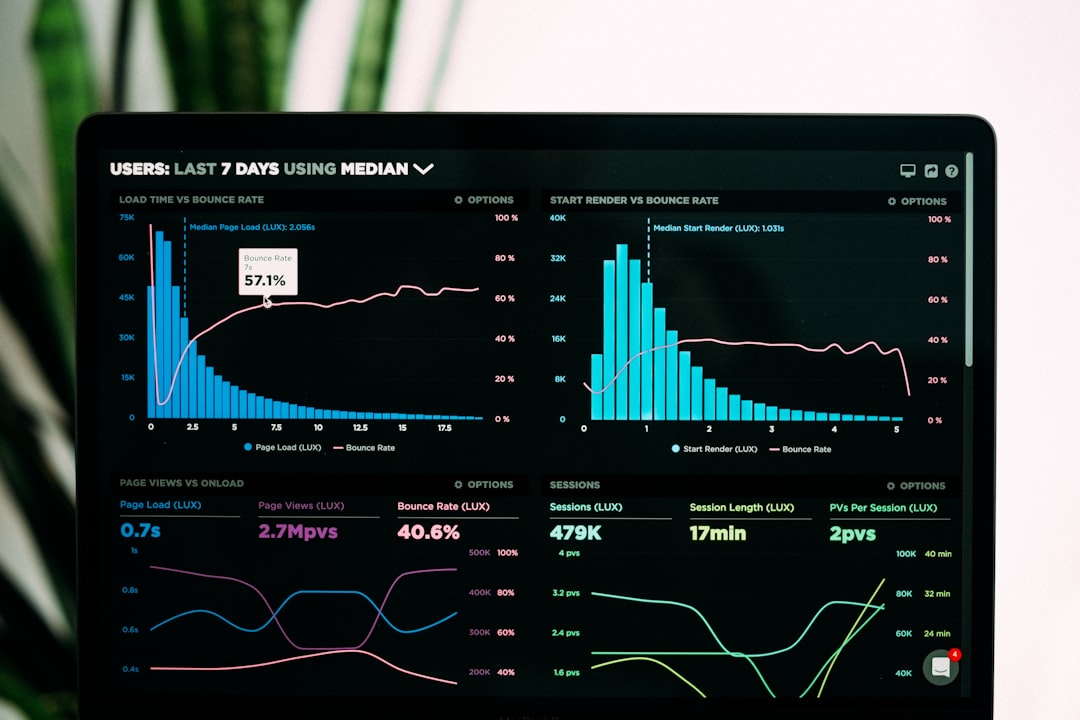
- Analytics and Insights: Visual dashboards that reveal trends, price positioning, and opportunities.
Advanced tools incorporate machine learning algorithms that improve product matching accuracy and detect anomalous pricing behaviors automatically.
Key Features to Look For
Not all price monitoring solutions are created equal. When evaluating options, it’s important to focus on capabilities that directly impact business goals.
1. Real-Time Alerts
Immediate notifications about competitor price drops or increases allow timely reactions. Whether via email, SMS, or dashboard alerts, instant updates make a significant difference in fast-moving markets.
2. Historical Price Tracking
Access to historical data helps identify seasonal trends, promotional cycles, and long-term shifts. This perspective supports more strategic pricing decisions rather than reactive ones.
3. Competitor Benchmarking
Clear comparisons showing whether you are priced above, below, or at par with competitors provide actionable context.
4. Dynamic Pricing Integration
Some tools integrate directly with pricing engines, enabling automated adjustments based on predefined rules.
5. Customizable Reporting
Decision-makers benefit from tailored dashboards that highlight KPIs relevant to their industry and objectives.
Use Cases Across Industries
Price monitoring tools are versatile and apply across many sectors. Let’s explore how different industries leverage them.
Ecommerce Retailers
Online retailers use price monitoring to maintain competitive advantage without sacrificing margins. By analyzing competitor behavior, they can strategically position premium, mid-tier, and discount products.
Manufacturers
Brands monitor how distributors and resellers price their products, ensuring compliance with minimum advertised price (MAP) policies. This protects brand reputation and uniform pricing standards.
Travel and Hospitality
Hotels and airlines rely heavily on dynamic pricing. Monitoring competitor rates helps optimize occupancy and revenue per available room (RevPAR).
Procurement Teams
Enterprises track supplier pricing changes to negotiate better contracts and manage cost fluctuations effectively.

The Strategic Advantage of Data-Driven Pricing
Data-driven pricing replaces guesswork with evidence-based strategy. Instead of reacting emotionally to competitor moves, businesses can analyze trends and respond proportionally.
For example, historical data may reveal that a competitor regularly discounts products on weekends. Rather than engaging in a constant price war, a company could offer bundled packages or added-value incentives during those periods. This preserves margins while remaining competitive.
Price monitoring tools also highlight:
- Consistently underperforming SKUs
- Products vulnerable to aggressive undercutting
- Opportunities for premium positioning
- Emerging market pricing patterns
Such insights empower leadership teams to craft sustainable pricing strategies instead of short-term reactions.
Challenges and Considerations
While powerful, price monitoring tools come with challenges that organizations must address thoughtfully.
Data Accuracy
Incorrect product matching can distort comparisons. Ensuring high-quality data input and periodic validation is essential.
Legal and Ethical Compliance
Businesses must remain aware of competition laws and avoid practices that could be interpreted as price fixing or unfair market manipulation.
Over-Automation
Relying entirely on automated price adjustments without human oversight can trigger unintended price wars or eroded margins.
Successful companies strike a balance between automation and strategic human review.
Best Practices for Implementing Price Monitoring Tools
Adopting a price monitoring tool is only the first step. To maximize value, consider these best practices:
- Define Clear Objectives: Determine whether your focus is margin protection, market expansion, compliance monitoring, or dynamic pricing.
- Select Relevant Competitors: Track direct and indirect competitors wisely to avoid data overload.
- Set Smart Alerts: Avoid notification fatigue by configuring meaningful thresholds.
- Analyze Trends, Not Just Changes: Look for patterns rather than reacting to individual fluctuations.
- Review Performance Regularly: Assess how monitored insights are influencing profitability and competitiveness.
When integrated with overall business goals, price monitoring becomes a strategic asset instead of a passive reporting tool.

The Role of AI and Predictive Analytics
The future of price monitoring lies in predictive analytics and artificial intelligence. Modern systems can forecast competitor behavior based on historical data, industry signals, and macroeconomic indicators.
Imagine a tool that not only tells you a competitor lowered prices but also predicts the likelihood of further decreases in the next week. Such foresight allows businesses to prepare proactive responses rather than reactive measures.
AI-driven solutions also:
- Detect unusual pricing anomalies
- Recommend optimal price ranges
- Simulate revenue outcomes under different scenarios
- Automatically flag potential compliance violations
This shift transforms price monitoring from observational tracking into strategic forecasting.
When Small Businesses Should Start Monitoring Prices
Price monitoring isn’t limited to large enterprises with vast budgets. Small and medium-sized businesses benefit significantly from affordable monitoring solutions.
If your business sells online and faces at least three consistent competitors, price tracking should already be on your radar. When margins begin shrinking without clear explanation, pricing intelligence often reveals the root cause.
Smaller companies can start with basic tools that provide competitor scraping and alert systems, gradually upgrading to more advanced platforms as operations scale.
Measuring Success
Implementing a price monitoring tool should lead to measurable improvements. Key performance indicators to track include:
- Gross Margin Stability
- Competitive Price Positioning Index
- Revenue Growth
- Inventory Turnover Rates
- MAP Compliance Rates
An effective monitoring system should demonstrate clear ROI, either through margin protection, increased sales volume, or improved operational efficiency.
Final Thoughts
In a world where algorithms adjust prices by the hour and customers compare options across multiple screens, price transparency is both an opportunity and a threat. Businesses that ignore pricing intelligence risk falling behind competitors who move faster and smarter.
Price monitoring tools deliver the visibility required to compete effectively. They empower organizations to analyze trends, react swiftly, and design thoughtful pricing strategies grounded in real data. When implemented with clear objectives and combined with human insight, these tools become a powerful engine for sustainable growth.
Ultimately, tracking pricing changes is not about racing to the bottom—it is about staying informed, protecting value, and making decisions with confidence in a rapidly evolving marketplace.