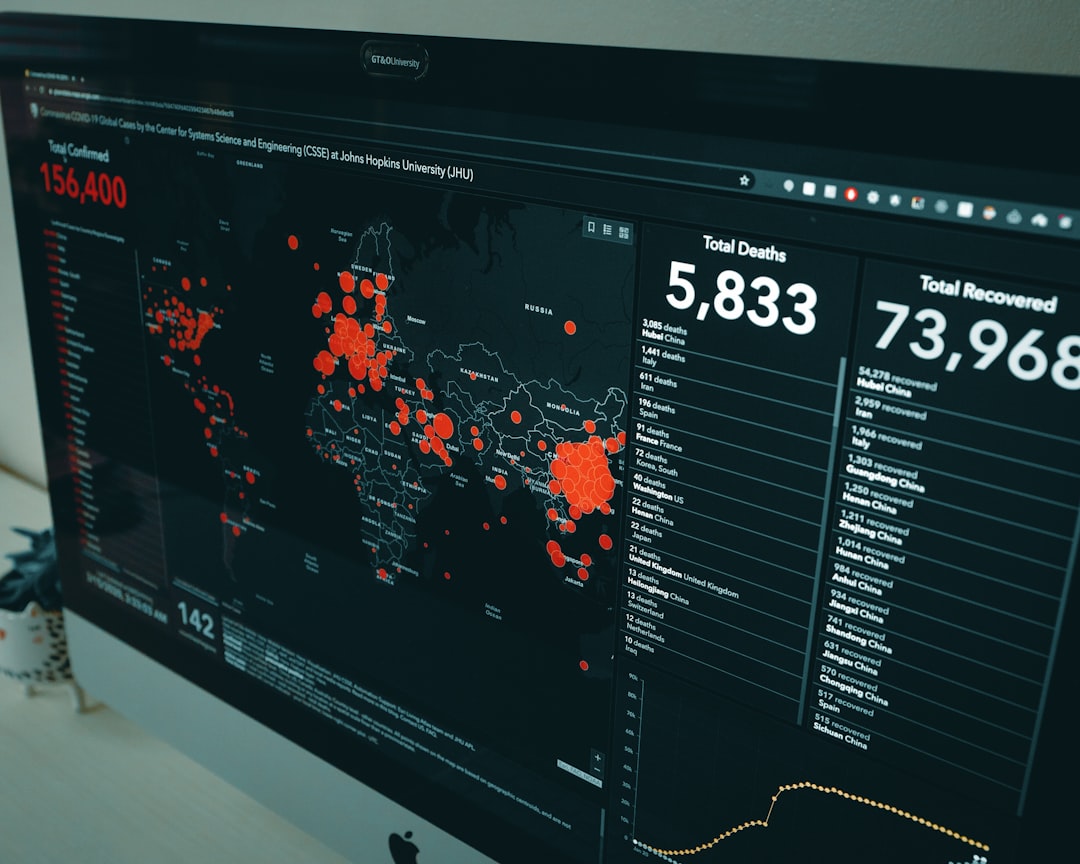
Blockchain explorer platforms have become indispensable tools in the digital asset ecosystem. As blockchain networks grow in size, complexity, and adoption, the need for transparent and accessible transaction data has intensified. Whether for compliance officers, investors, developers, or everyday users, explorers serve as the primary gateway to understanding on-chain activity. They transform cryptographic data into readable, searchable information that supports transparency, accountability, and informed decision-making.
TLDR: Blockchain explorer platforms are essential tools that allow users to search, verify, and analyze transactions on public and private blockchains. They provide transparency by displaying wallet balances, transaction histories, and block data in real time. These platforms are widely used for compliance, auditing, investigation, and development purposes. As blockchain adoption expands, explorers play a critical role in maintaining trust and accountability across decentralized systems.
Understanding the Role of Blockchain Explorers
A blockchain explorer is a web-based platform or application that allows users to search and navigate data stored on a blockchain. Every blockchain records transactions in blocks, which are linked together chronologically. While this data is publicly available on most decentralized networks, it is not inherently user-friendly. Blockchain explorers index and structure this information so it can be browsed in a practical format.
Users can search for:
- Transaction IDs (TXIDs) to verify payment status
- Wallet addresses to review balances and activity history
- Block numbers to inspect specific points in the chain
- Smart contract details including code and event logs
By providing this level of insight, blockchain explorers function as an accountability mechanism. They validate that transactions have been confirmed and permanently recorded, eliminating ambiguities that often exist in traditional financial systems.
Core Features of Modern Blockchain Explorer Platforms
Although early explorers were relatively simple, modern platforms offer highly advanced analytical tools. These features enhance usability and support institutional-grade analysis.
1. Real-Time Transaction Tracking
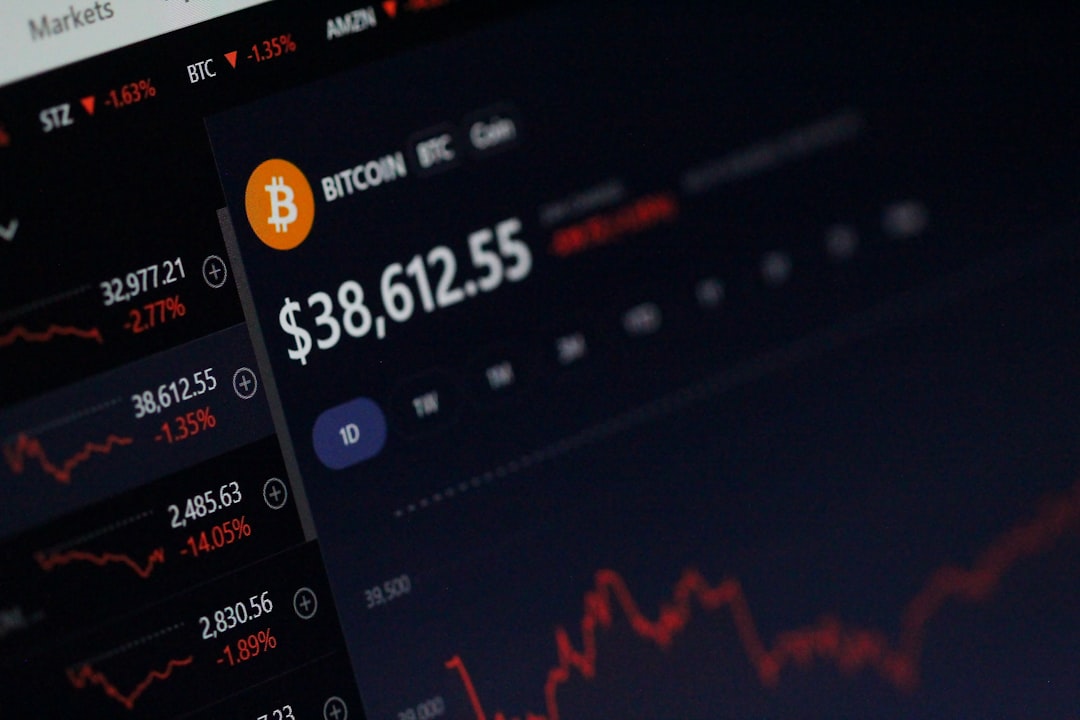
Transactions appear in near real time as they enter the network’s mempool (the waiting area before confirmation). Users can observe confirmation progress, track fee adjustments, and verify inclusion in a block.
2. Address Analysis
Explorers provide detailed breakdowns of incoming and outgoing transfers, token holdings, and historical activity. This feature is frequently used for auditing, due diligence, and investigative research.
3. Block Data Visualization
Platforms display:
- Block height
- Timestamp
- Miner or validator information
- Block size and weight
- Number of transactions included
4. Fee Estimation Tools
Many explorers calculate recommended transaction fees based on current network congestion. This is essential for users seeking cost-efficient confirmation.
5. Smart Contract Interaction
Certain explorers allow direct interaction with smart contracts, enabling users to read contract data or execute functions without third-party interfaces.
These functionalities support transparency at every level of blockchain operation.
Transparency and Trust in Decentralized Systems
Public blockchains are designed to eliminate central authority. However, decentralization requires robust methods of verification. Blockchain explorers provide exactly that — an open window into transaction activity.
From a regulatory and compliance perspective, explorers are critical tools. Anti-money laundering (AML) professionals and regulatory bodies often rely on transaction tracking to identify suspicious activity patterns. Because blockchain data is immutable, explorers provide a reliable historical record that cannot be altered retroactively.
For businesses accepting cryptocurrency payments, explorers serve as independent confirmation mechanisms. Merchants can verify incoming transactions without relying solely on wallet notifications. Investors can independently confirm asset transfers or token distributions.
This transparency strengthens confidence in decentralized finance (DeFi), tokenization platforms, and broader crypto markets.
Different Types of Blockchain Explorer Platforms
Blockchain explorers may differ based on:
- Network specificity – Some explorers are dedicated to individual networks such as Bitcoin or Ethereum.
- Multi-chain support – Advanced platforms aggregate data from multiple blockchains.
- Private or permissioned access – Enterprise explorers support consortium or corporate blockchains.
- Analytics-driven explorers – These emphasize data interpretation, risk scoring, and pattern detection.
Bitcoin explorers typically focus on base-layer transactions, while Ethereum-based explorers often incorporate smart contract analytics and token-specific metrics. As decentralized ecosystems expand, explorers increasingly integrate cross-chain tracking capabilities.
Use Cases Across Industries
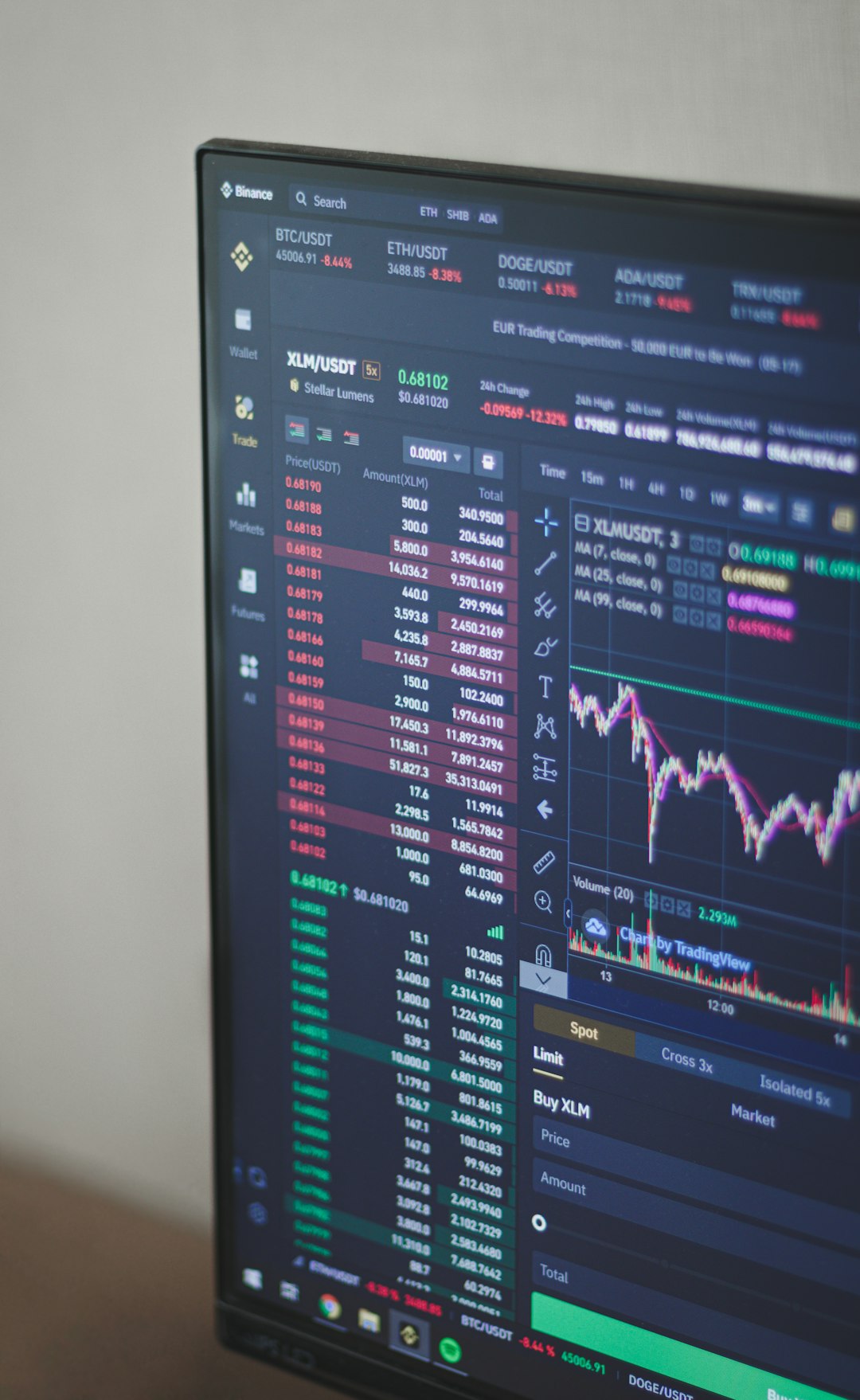
Blockchain explorer platforms are no longer confined to cryptocurrency enthusiasts. They now serve a wide range of professional sectors.
Financial Services
Banks and payment processors analyzing digital asset flows rely on explorers for transaction traceability and verification. This reduces operational uncertainty when interacting with blockchain networks.
Regulatory Compliance
Compliance teams use explorers to document transaction trails, identify wallet clusters, and monitor large transfers. This assists in meeting regulatory requirements and internal governance standards.
Cybersecurity and Investigations
Security researchers examine transaction histories to investigate ransomware payments, phishing incidents, or fund misappropriation. Because transactions are permanently recorded, explorers provide a valuable forensic resource.
Supply Chain Management
In enterprise blockchain systems, explorers track recorded asset transfers and operational checkpoints. This creates verifiable transparency across logistics networks.
Academic and Market Research
Researchers analyze on-chain metrics to evaluate network health, adoption rates, and economic behavior patterns. Explorers deliver granular data essential for quantitative studies.
Technical Foundations of Transaction Tracking
Behind every explorer lies significant indexing and data processing infrastructure. Blockchains store raw transaction data in a distributed ledger format. To make it searchable, explorers parse blocks sequentially, index transaction outputs, and associate addresses with activity logs.
This process typically involves:
- Running full blockchain nodes
- Extracting and indexing raw block data
- Storing records in optimized query databases
- Presenting data through intuitive web interfaces and APIs
Many platforms offer Application Programming Interfaces (APIs) that allow developers to integrate blockchain data into external applications. This significantly broadens the utility of transaction tracking beyond manual searches.
Limitations and Privacy Considerations
While blockchain explorers enhance transparency, they also highlight an inherent tension between openness and privacy. Public address tracking can expose patterns of activity, even if users remain pseudonymous.
Key limitations include:
- Address clustering challenges – It can be difficult to determine whether multiple addresses belong to the same entity.
- Incomplete off-chain context – Explorers cannot provide insight into transactions conducted outside the blockchain.
- Privacy coin constraints – Networks such as those using advanced privacy protocols restrict visible transaction data.
Responsible use of blockchain explorers requires careful interpretation of data. Public visibility does not automatically equate to identifiable ownership without additional corroborating information.
The Evolution Toward Advanced Analytics
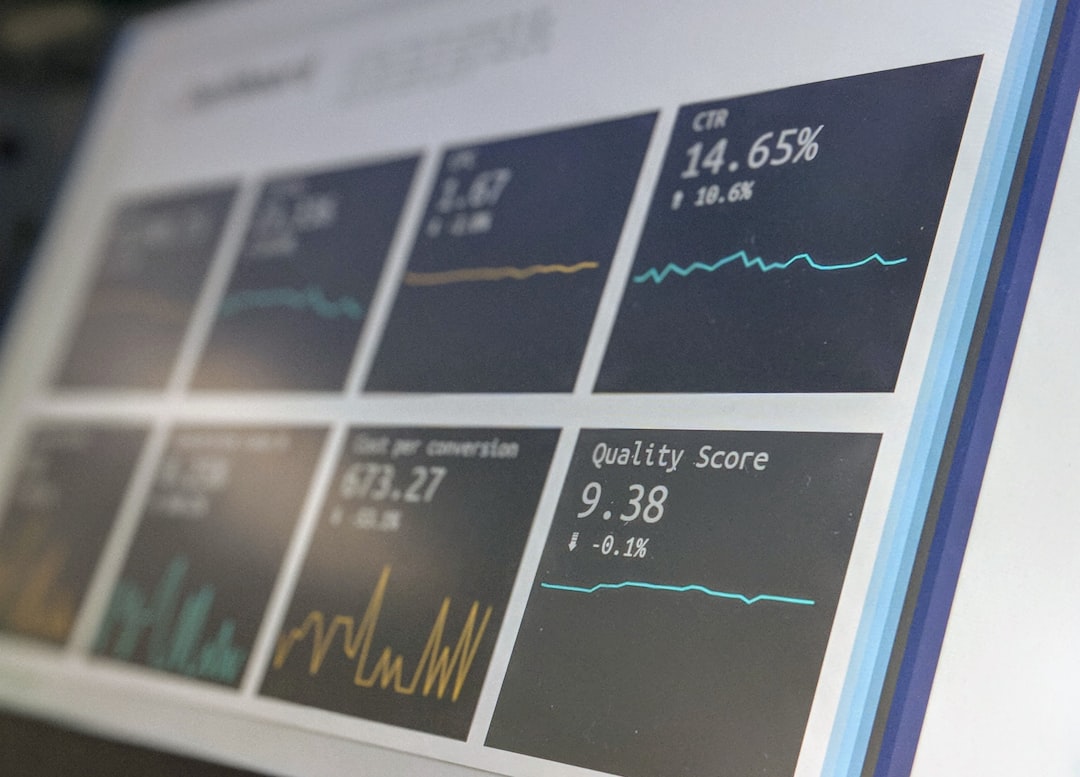
The next generation of blockchain explorer platforms extends beyond basic search capabilities. Increasingly, they include sophisticated visualization tools, anomaly detection algorithms, and machine learning models designed to uncover hidden transaction patterns.
Advanced features may include:
- Graph-based relationship mapping
- Risk scoring for wallet addresses
- Cross-chain transaction correlation
- Token distribution heatmaps
- Historical fee trend analysis
As digital assets integrate with mainstream finance, institutional standards demand comprehensive reporting. Blockchain explorers are adapting to meet these expectations through professional dashboards and modular analytics solutions.
Why Blockchain Explorers Matter for Long-Term Trust
The credibility of decentralized systems depends on verifiability. Blockchain explorers reinforce that principle by offering transparent access to ledger data without requiring special technical skills. They democratize blockchain visibility, ensuring that any participant can independently verify network activity.
This function becomes increasingly critical as governments explore central bank digital currencies (CBDCs), corporations adopt tokenized assets, and global commerce experiments with blockchain-based settlements. Explorer platforms will remain foundational infrastructure supporting these transitions.
In essence, blockchain explorers provide a balance between decentralization and usability. They convert abstract cryptographic records into meaningful information that individuals and institutions can trust.
Conclusion
Blockchain explorer platforms are far more than simple search tools; they are pillars of transparency within digital asset ecosystems. By enabling real-time transaction tracking, detailed address analysis, and comprehensive block data inspection, they uphold the core principles of blockchain technology. Their adoption across finance, compliance, cybersecurity, and research demonstrates their wide-ranging importance. As blockchain networks mature and regulatory frameworks develop, explorers will continue to play a central role in ensuring accountability, trust, and operational clarity in an increasingly decentralized world.