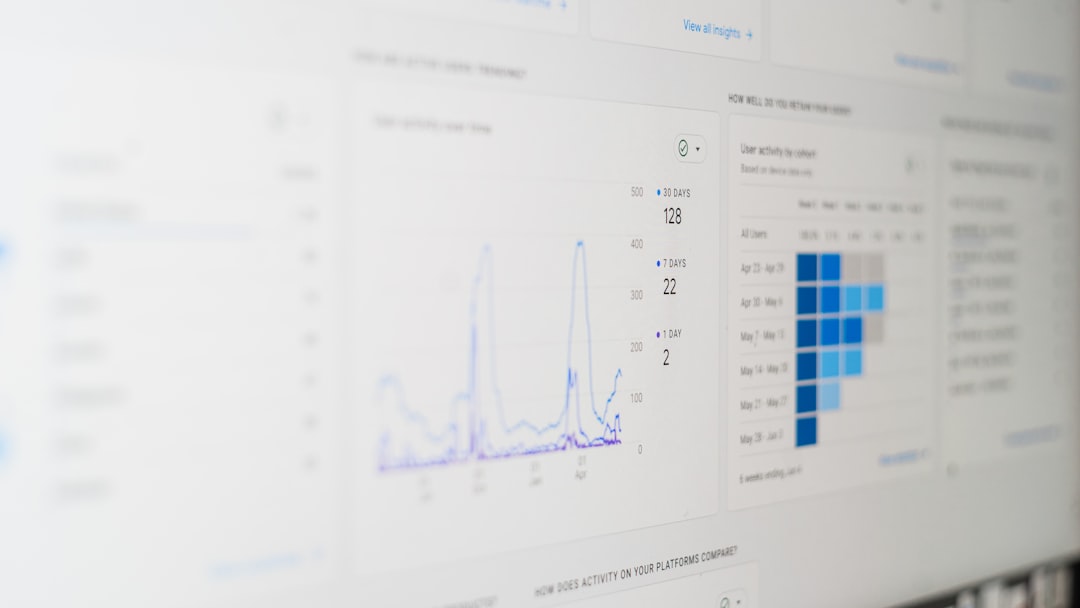
In an era defined by digital information, organizations are increasingly relying on data extraction software to collect, process, and structure vast quantities of data from diverse sources. Whether for market intelligence, financial analysis, academic research, or operational optimization, the ability to transform raw, unstructured information into structured datasets has become a critical competitive advantage. Data extraction software bridges the gap between scattered digital content and actionable insight.
TLDR: Data extraction software enables organizations to automatically collect and structure large volumes of data from websites, documents, databases, and other digital sources. It reduces manual effort, increases accuracy, and allows businesses to make faster, data-driven decisions. Modern tools use automation, artificial intelligence, and scalable infrastructure to handle complex and high-volume tasks. Choosing the right solution requires careful consideration of compliance, scalability, integration, and security.
At its core, data extraction refers to the process of retrieving relevant information from structured and unstructured sources and preparing it for analysis or storage. When paired with data structuring capabilities, the software ensures that extracted information is formatted consistently—often into databases, spreadsheets, or data warehouses—making it usable for analytics platforms and business applications.
Understanding Data Extraction and Data Structuring
Data does not always come neatly packaged. Many sources, particularly websites, PDFs, emails, and social platforms, contain valuable information embedded in complex layouts or free text. Data extraction software addresses this challenge by automating:
- Data identification – Locating relevant elements within a source.
- Data retrieval – Extracting target information fields.
- Data transformation – Cleaning and converting data into consistent formats.
- Data loading – Moving structured data into storage systems for further use.
The transformation phase is especially important. For example, date formats may vary across regions, currencies may differ, and textual descriptions may contain inconsistencies. High-quality extraction tools apply normalization rules to ensure uniformity and accuracy.

Advanced systems extend beyond simple scraping scripts. They incorporate validation mechanisms, duplicate detection, and automated error handling, ensuring that output data is reliable enough for enterprise-grade analytics.
Key Types of Data Extraction Software
Data extraction solutions generally fall into several categories, each tailored to specific needs.
1. Web Scraping Tools
Web scraping software extracts information from public or authorized websites. Businesses use it to collect:
- Pricing information
- Product listings
- Customer reviews
- News and trend data
Modern web scraping tools can render dynamic websites, handle JavaScript-driven content, and mimic user interactions to access relevant information.
2. Document and OCR Extraction
Some solutions focus on extracting data from documents such as PDFs, scanned forms, or invoices. Through Optical Character Recognition (OCR) and machine learning techniques, these tools convert images of text into machine-readable formats.
3. Database and API Extraction
For enterprises integrating multiple internal systems, extraction tools often connect directly to databases or APIs, pulling structured datasets and synchronizing them into unified repositories.
4. ETL Platforms
Extract, Transform, Load (ETL) platforms are comprehensive systems designed for large-scale data integration projects. They automate end-to-end workflows and often include monitoring, scheduling, and governance features.
Core Features of Reliable Data Extraction Software
Not all data extraction tools offer the same capabilities. Organizations evaluating solutions should consider the following essential features:
- Automation and Scheduling – Ability to run extraction tasks at defined intervals without manual intervention.
- Scalability – Support for handling high-volume data across multiple sources simultaneously.
- Error Handling and Logging – Mechanisms for identifying and managing extraction failures.
- Data Cleaning and Normalization – Built-in formatting and validation processes.
- Integration Options – Compatibility with databases, cloud storage, business intelligence platforms, and analytics tools.
- Security Controls – Data encryption, access management, and compliance safeguards.
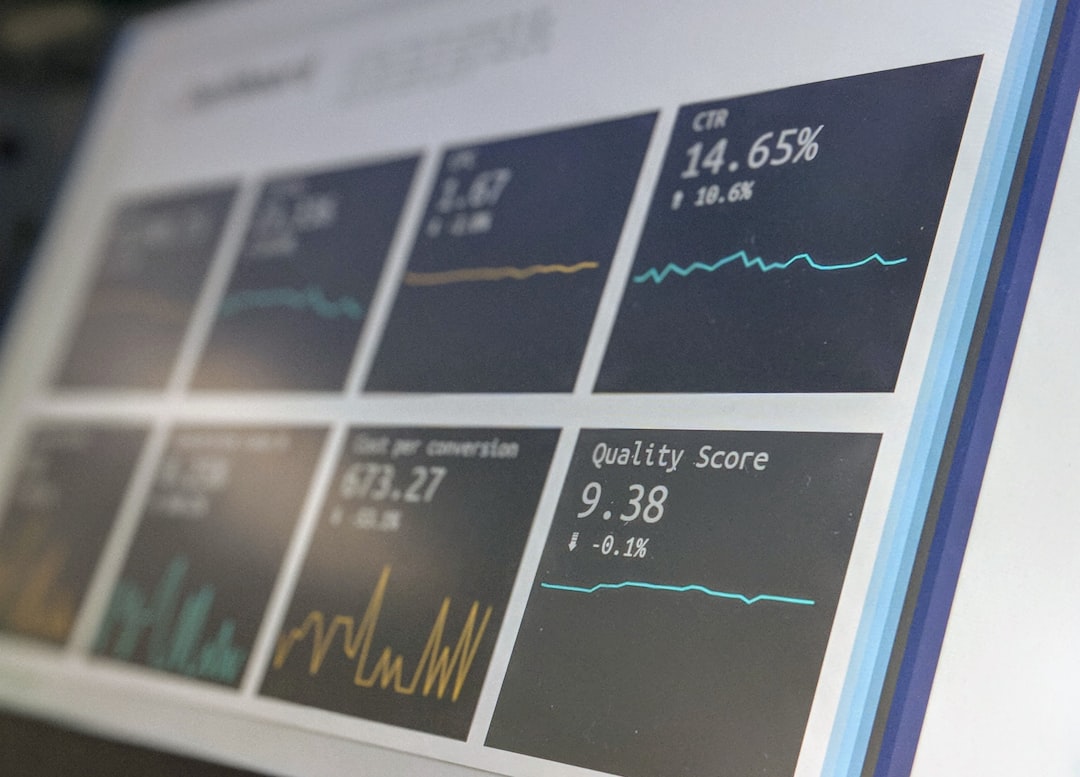
Particularly in regulated industries, security and compliance cannot be overlooked. Robust encryption and access management protocols protect both the extracted data and the infrastructure performing the extraction.
Benefits of Automated Data Extraction
Manual data collection is time-consuming, error-prone, and often impractical at scale. Automated extraction software provides measurable advantages:
- Efficiency – Processes thousands of data points in minutes rather than days.
- Accuracy – Reduces human error associated with copy-paste operations.
- Cost Reduction – Lowers labor costs and operational overhead.
- Timeliness – Enables real-time or near-real-time updates.
- Competitive Insights – Supports informed strategic decisions.
Organizations using automated data extraction gain improved visibility into markets, operations, and customer behaviors. This enhances forecasting, risk assessment, and business planning.
Use Cases Across Industries
Data extraction software plays a significant role in a wide array of industries, each leveraging it for specialized objectives.
Financial Services
Financial institutions use extraction tools to aggregate market data, track regulatory filings, monitor competitor activities, and streamline compliance documentation.
E-commerce and Retail
Retailers collect pricing intelligence, inventory levels, and product trends across marketplaces to adjust pricing strategies and optimize product offerings.
Healthcare
Healthcare organizations extract structured data from medical forms, insurance claims, and clinical research publications to support decision-making and regulatory reporting.
Research and Academia
Researchers gather information from academic journals, statistical databases, and public datasets to support scientific analysis.

In each case, structured data becomes the backbone of informed decisions. Without reliable extraction software, such insights would remain fragmented or inaccessible.
Compliance and Ethical Considerations
While data extraction software provides undeniable value, it must be used responsibly. Legal and ethical compliance are essential, particularly in web scraping scenarios. Organizations must consider:
- Terms of service agreements
- Data privacy regulations (such as GDPR or similar frameworks)
- Intellectual property rights
- Consent and personal data handling
Failure to observe these requirements can lead to reputational damage, financial penalties, or legal disputes. Consequently, enterprises often integrate compliance checks directly into their data workflows.
Artificial Intelligence and Machine Learning Enhancements
Modern data extraction systems increasingly leverage artificial intelligence to enhance performance. Machine learning algorithms can:
- Identify patterns within semi-structured content.
- Adapt to layout changes on dynamic websites.
- Improve data classification accuracy.
- Automate anomaly detection in structured outputs.
These intelligent systems reduce the need for constant manual reconfiguration, especially when dealing with frequently changing digital environments.
Challenges in Data Extraction
Despite technological advances, certain challenges remain inherent in data extraction initiatives:
- Changing Source Structures – Websites and documents may update layouts without notice.
- Anti-Scraping Mechanisms – Rate limits, CAPTCHA systems, and IP blocking can disrupt operations.
- Data Quality Issues – Inconsistent or incomplete input data affects analysis reliability.
- Integration Complexity – Aligning new data streams with legacy systems requires careful planning.
To mitigate these risks, organizations often deploy monitoring systems and designate technical specialists responsible for maintaining extraction workflows.
Best Practices for Implementation
Successful deployment of data extraction software involves more than installing a tool. It requires strategic planning and governance. Recommended best practices include:
- Define Clear Objectives – Identify specific business goals before selecting a solution.
- Start with a Pilot Project – Validate performance on a limited scale.
- Ensure Data Governance – Establish ownership and accountability for extracted data.
- Monitor and Optimize – Continuously evaluate accuracy and efficiency.
- Document Processes – Maintain clear records to support compliance and repeatability.
By aligning technical infrastructure with strategic objectives, organizations maximize the return on investment in data extraction initiatives.
The Strategic Importance of Structured Data
Structured data is not merely an operational asset—it is a strategic one. In advanced analytics, artificial intelligence, and business intelligence environments, high-quality structured datasets fuel predictive models and dashboards. Data extraction software ensures that raw information flows consistently into these systems, enabling confident decision-making.
As digital ecosystems grow more complex, the demand for reliable data extraction will continue to expand. Organizations that implement robust, scalable, and compliant extraction solutions will be better positioned to adapt, innovate, and compete in data-driven markets.
In conclusion, data extraction software for scraping and structuring data serves as a foundational technology in modern information management. By automating the conversion of fragmented digital content into organized datasets, these systems empower businesses and institutions to operate with clarity and precision. When implemented thoughtfully and responsibly, data extraction software transforms information from a chaotic resource into a structured, strategic advantage.