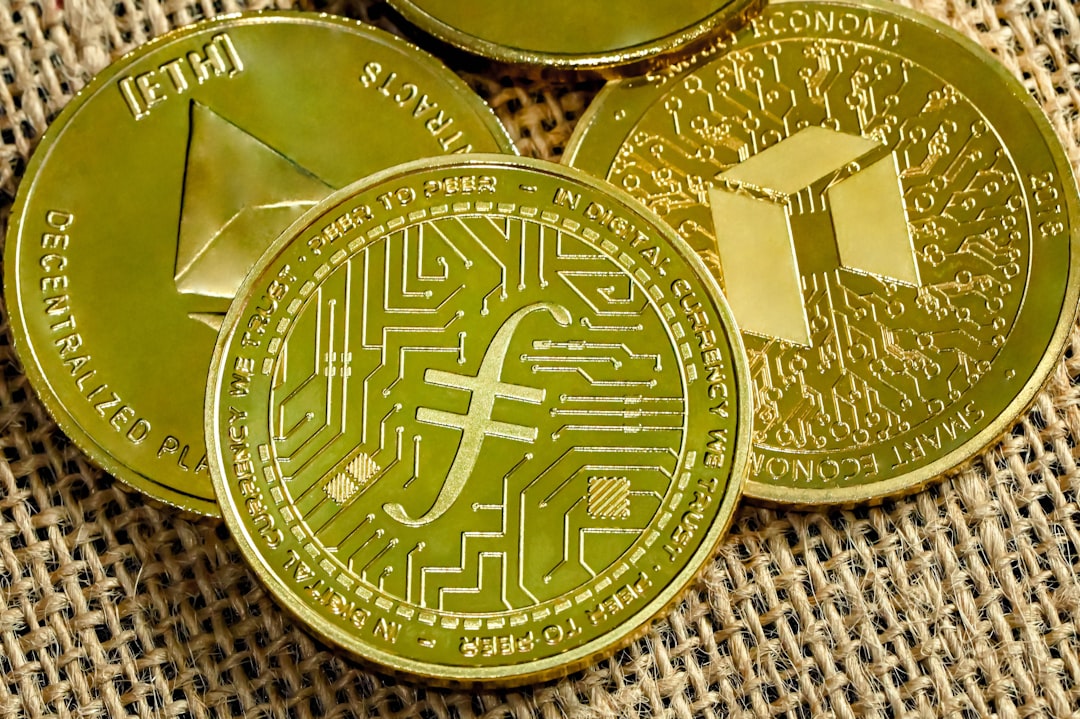
Crypto staking is one of the easiest ways to earn passive income in the blockchain world. You simply hold certain cryptocurrencies and help support the network. In return, you earn rewards. It feels a bit like earning interest in a savings account. But instead of a bank, you use a crypto platform.
TLDR: Crypto staking lets you earn rewards by locking up your coins to support a blockchain network. It is simple, beginner-friendly, and often more energy-efficient than crypto mining. You can stake directly on exchanges or through dedicated staking platforms. Always check rewards, risks, and lock-up periods before jumping in.
What Is Crypto Staking?
Crypto staking is part of something called Proof of Stake (PoS). This is a way blockchains confirm transactions. Instead of using powerful computers like Bitcoin mining, PoS uses people who lock up coins.
When you stake your crypto, you:
- Lock your coins in a wallet or platform
- Help verify blockchain transactions
- Support the security of the network
- Earn rewards in return
Think of it like a security deposit. The network knows you are invested. So it rewards you for behaving honestly.

How Do Staking Rewards Work?
Rewards come from the blockchain itself. New coins are created. Transaction fees are shared. These are distributed to users who stake.
The amount you earn depends on:
- The coin you stake
- Total number of coins staked in the network
- The platform you use
- The lock-up period
Some coins offer 4% per year. Others offer 10% or more. But high rewards often mean higher risk.
Rewards are usually paid daily, weekly, or monthly. Some platforms automatically add rewards back into your stake. This is called compounding. It helps your earnings grow faster.
Popular Coins for Staking
Not all cryptocurrencies support staking. You need coins that use Proof of Stake or a similar system.
Here are some popular ones:
- Ethereum (ETH) – One of the largest staking networks.
- Cardano (ADA) – Known for flexibility and low minimum staking.
- Solana (SOL) – Offers competitive rewards but can be volatile.
- Polkadot (DOT) – Popular for long-term staking.
- Avalanche (AVAX) – Fast network with solid reward rates.
Each network has its own rules. Some require minimum amounts. Others allow small stakes.
Types of Crypto Staking Platforms
You have several ways to stake crypto. Let’s break them down.
1. Centralized Exchanges
These are user-friendly. You simply click “stake” on your account.
Pros:
- Very easy to use
- No technical knowledge needed
- Often flexible unstaking options
Cons:
- You do not control private keys
- Platform risk if the company fails
This option is best for beginners.
2. Dedicated Staking Platforms
These focus mainly on staking services. They may offer higher rewards.
Pros:
- Competitive reward rates
- More staking tools
Cons:
- May require more research
- Sometimes longer lock-up periods
3. Wallet Staking
Some crypto wallets allow direct staking. You stay in control of your keys.
Pros:
- Greater control
- Improved security if managed properly
Cons:
- More responsibility
- Possible penalties if you stake incorrectly

What Is Locked Staking vs Flexible Staking?
This part is important.
Locked staking means your coins are frozen for a fixed time. It could be 7 days. It could be 90 days. You cannot withdraw during that period.
The benefit? Usually higher rewards.
Flexible staking lets you withdraw anytime. Rewards are slightly lower. But your funds remain liquid.
If you might need quick access to money, flexible is safer. If you are holding long-term, locked staking could earn more.
Is Crypto Staking Safe?
Staking is generally safer than trading. But it is not risk-free.
Here are the main risks:
- Price volatility: Your coin’s value can drop.
- Platform risk: Exchanges can freeze withdrawals or collapse.
- Lock-up risk: You may be stuck during market crashes.
- Slashing: Some networks punish validators for mistakes.
Even if you earn 8% in rewards, a 20% market drop can wipe that out.
So always think long-term.
How Much Can You Earn?
It depends. Here is a simple example.
Let’s say you stake $1,000 worth of a coin offering 8% annual rewards.
After one year, you would earn about $80 in rewards.
If rewards compound, you earn slightly more. Over several years, it adds up.
But remember. If the coin price doubles, you win big. If it halves, rewards may not cover losses.
Steps to Start Staking
Getting started is simple. Follow these steps:
- Choose a coin that supports staking.
- Buy the coin on a trusted exchange.
- Select a staking platform or wallet.
- Review lock-up terms and reward rates.
- Confirm and begin staking.
Always read the fine print. Some platforms charge fees. These reduce your returns.
Advanced Option: Running a Validator Node
This option is not for beginners. But it is powerful.
A validator runs special software. It helps confirm transactions. In return, validators earn more rewards.
However:
- You need technical skills
- There is hardware cost
- You can be penalized for downtime
Most people prefer delegating their crypto instead. Delegating means assigning your stake to a validator. You still earn rewards. But without the technical stress.

Taxes and Staking
In many countries, staking rewards count as income.
This means:
- You may owe tax when you receive rewards.
- You may also owe tax if you sell the coins later.
Keep records. Track reward payments. It makes life easier later.
Tips for Choosing a Staking Platform
Not all platforms are equal. Use this checklist:
- Reputation: Look for strong reviews and history.
- Security: Two-factor authentication is a must.
- Reward rate: Compare real APY, not marketing claims.
- Fees: Check validator or platform commission.
- Lock-up rules: Know when you can withdraw.
Never rush. Research first.
Why Staking Is Popular
Staking has exploded in popularity. Here’s why:
- It generates passive income.
- It is eco-friendly compared to mining.
- It supports blockchain innovation.
- It encourages long-term investing.
Instead of panic selling, people stake. They earn while they hold.
It changes your mindset. You think long term.
Common Mistakes to Avoid
Even simple systems can lead to mistakes.
Avoid these:
- Chasing extremely high APY without research
- Ignoring platform security
- Locking funds during uncertain times
- Forgetting about taxes
- Putting all funds into one coin
Diversification matters. Spread risk across different assets if possible.
Is Staking Right for You?
Staking is ideal if you:
- Plan to hold crypto long term
- Want passive income
- Prefer lower stress than active trading
It may not be ideal if you:
- Need quick access to cash
- Are uncomfortable with crypto volatility
- Expect guaranteed profits
Nothing in crypto is guaranteed. But staking is one of the more stable strategies.
The Future of Crypto Staking
More blockchains are moving to Proof of Stake. It uses less energy. It scales better. It attracts investors looking for sustainability.
We are also seeing:
- Liquid staking solutions
- Better user interfaces
- Institutional staking services
- Insurance options for staked funds
Liquid staking is especially exciting. It lets you stake and still use a token version of your locked funds. This increases flexibility.
The space is evolving fast. But the core idea is simple. Lock. Support. Earn.
Final Thoughts
Crypto staking platforms make earning rewards accessible to almost anyone. You do not need mining rigs. You do not need deep technical skills. You just need research and patience.
Start small. Learn how rewards work. Understand lock-up terms. Focus on long-term growth.
Staking will not make you rich overnight. But it can steadily grow your crypto holdings over time.
And sometimes, steady wins the race.