
Pick Semrush if your main question is “Does my brand show up in Google AI results?” Pick Brandwatch if your main question is “Do real people talk about my brand enough for AI to notice?” That is the simple split. Semrush is closer to search visibility. Brandwatch is closer to social and web conversation intelligence.
TLDR: Semrush is better for tracking AI visibility tied to search, keywords, competitors, and content gaps. Brandwatch is better for tracking public brand buzz, sentiment, and topics across social media, forums, news, and review sites. Example: if 100 AI-style search results mention your category and your brand appears in 18, your AI share of voice is 18%; if your top rival appears in 31, you have work to do. A SaaS team could use Semrush to find missing product keywords, then use Brandwatch to see why users keep praising a rival in Reddit threads.
What “AI share of voice” really means
AI share of voice is a fancy phrase for a simple idea.
How often does an AI answer mention your brand compared with your competitors?
That is it. No smoke machine. No magic hat.
Let’s say you sell project management software. You test 200 prompts like:
- “Best project management tools for startups”
- “Top Asana alternatives”
- “Best tools for remote teams”
- “Affordable project tracking software”
If your brand appears in 40 answers, your AI answer presence is 20%. If a rival appears in 90 answers, their presence is 45%. Painful? Yes. Useful? Very.
You can also track where you appear. First mention matters. A passing mention near the bottom is not the same as “Best overall choice.” AI can be polite while quietly ignoring you. Rude little robot.

The scorecard that matters
Before comparing Semrush and Brandwatch, use the same scorecard for both. Otherwise, you will end up with pretty charts and zero answers. That drives everyone mad.
Track these items:
- Mention rate: How often your brand appears.
- Competitor rate: How often each rival appears.
- Rank in answer: First, second, third, or buried.
- Context: Recommended, compared, criticized, or only listed.
- Sentiment: Positive, neutral, mixed, or negative.
- Citations: Which pages seem to support the answer.
- Prompt group: Buying, research, comparison, support, or local.
A clean formula helps:
AI Share of Voice = Your brand mentions ÷ Total brand mentions in the answer set × 100
So if all brands are mentioned 500 times and your brand gets 75 mentions, your share is 15%.
Semrush for AI share of voice
Semrush is strong when AI answers are tied to search behavior. Think Google results. Think AI Overviews. Think keywords. Think pages that rank and get cited.
Its core strength is not mystery. It has a huge search data engine. You can study keywords, competitors, ranking pages, backlinks, content gaps, and SERP features. Some Semrush features and add-ons can also help track AI visibility signals, including when AI-style results appear for target queries. Availability can vary by plan and region, so check your account before promising a shiny report to your boss.
Use Semrush when you want to know:
- Which search queries may trigger AI answers.
- Which competitors appear near those searches.
- Which pages earn visibility and links.
- Which content topics your site is missing.
- Which pages need better structure, facts, or citations.
Semrush is also helpful for fixing the problem. That matters. Measuring your sad 8% share is one thing. Improving it is the part that pays rent.
You can find topics where competitors dominate. You can build comparison pages. You can improve product pages. You can add expert quotes, stats, FAQs, schema, and clearer wording. AI systems often favor content that is easy to parse. So yes, clean content still wins. Boring, but true.
The annoying bit? Semrush can feel like a control room in a spaceship. There are many tabs. Reports may take a few extra clicks. If you only want “Am I in ChatGPT answers, yes or no?” it may feel heavier than needed.
Brandwatch for AI share of voice
Brandwatch comes from a different world. It is built for brand monitoring and consumer intelligence. It tracks what people say across social platforms, forums, blogs, news, reviews, and other public sources.
That makes it useful for AI share of voice in a wider sense.
Why? AI answers are shaped by the web. They are shaped by articles, reviews, guides, comments, and public sentiment. If people constantly compare you with a rival, complain about your pricing, or praise your support, that pattern can affect how your brand is described online.
Use Brandwatch when you want to know:
- How much people talk about your brand.
- How your conversation volume compares with rivals.
- What people love or hate about each product.
- Which communities shape brand perception.
- Which topics are rising before they hit search tools.
Brandwatch is great for spotting the “why” behind brand visibility. If your rival gets 62% positive sentiment around “easy setup” and you get 21%, that is a clue. AI answers may start calling them easier to use. That line did not appear from nowhere.
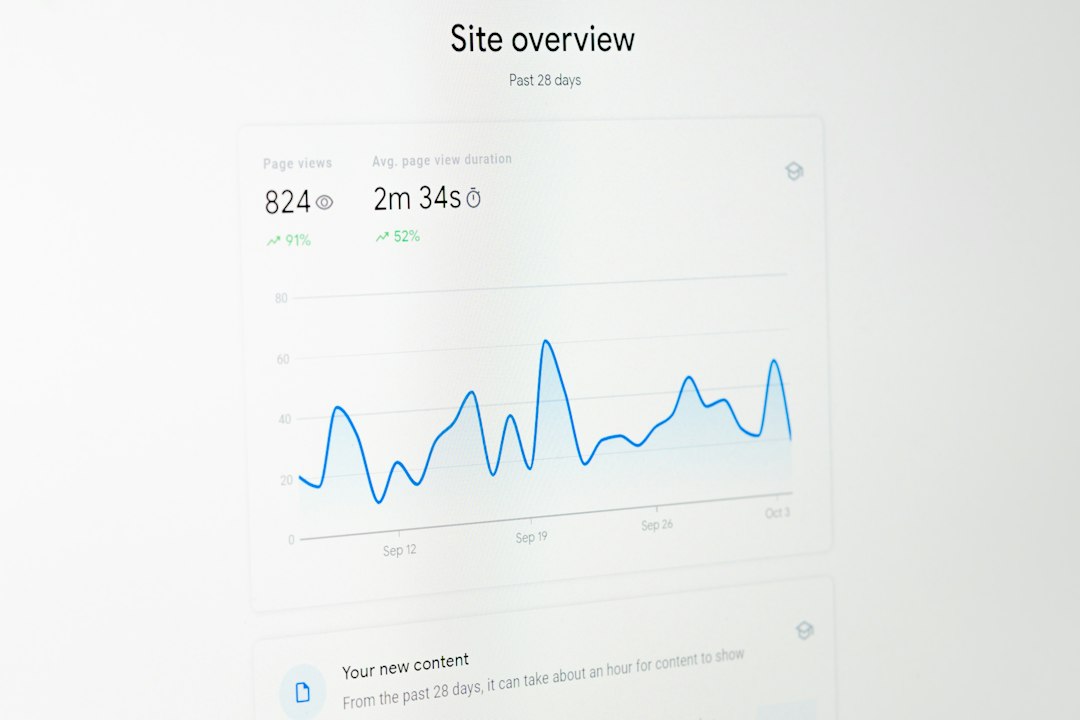
The catch is that Brandwatch is not built mainly to test prompts inside ChatGPT, Gemini, Perplexity, or Claude. You can build workflows around AI answer research. You can compare that with social and media share. But direct AI answer tracking may need custom work or a separate tool.
Also, query setup can be fussy. Boolean search is powerful, but it can make a normal person stare at the screen for 20 minutes and question their career choices.
Semrush vs Brandwatch: the fun table
| Need | Better pick | Why |
|---|---|---|
| Track AI visibility in search results | Semrush | Stronger keyword and SERP data. |
| Track brand buzz and sentiment | Brandwatch | Built for social listening and media monitoring. |
| Find content gaps | Semrush | Great for SEO topics and competitor pages. |
| Study consumer opinions | Brandwatch | Shows what real people say. |
| Measure exact mentions in AI chat tools | Neither alone | You may need prompt testing plus manual checks or a specialist AI visibility tool. |
A simple user case
Meet Luna. She runs marketing for a cybersecurity startup. Her CEO asks, “Why does every AI tool mention three competitors and not us?” Classic Monday.
Luna tests 150 prompts. Her brand appears in 12 answers. That is 8%. The top competitor appears in 67 answers. That is 44.7%. Ouch.
She opens Semrush. She finds that the rival ranks for “best endpoint protection for small business,” “EDR tools comparison,” and “cybersecurity software pricing.” Her company has no strong pages for those topics. So her team builds three clear pages. They add pricing notes, use cases, customer proof, and FAQs.
Then she checks Brandwatch. She sees the rival gets lots of praise for “fast onboarding.” Her brand gets praise for “great support,” but few people mention setup speed. So she creates a campaign around “setup in under 30 minutes.” Sales gets the same message. Support gets a script. The website gets proof.
After 90 days, her AI answer tests improve. Her brand appears in 29 of 150 prompts. That is 19.3%. Still not king of the hill. But now the hill has stairs.
Best setup for most teams
If budget allows, use both.
Semrush tells you what search engines can see. Brandwatch tells you what people are saying. Together, they show content demand and brand demand. That pair is useful.
If you must choose one, pick based on your main pain:
- Choose Semrush if organic search, AI Overviews, and content gaps matter most.
- Choose Brandwatch if reputation, social chatter, reviews, and sentiment matter most.
- Add prompt tracking if you need exact AI answer counts across chat tools.
Final verdict
Semrush is the better fit for AI share of voice linked to search. Brandwatch is the better fit for brand share in public conversation. Neither should be treated as a magic AI truth machine.
The smart move is simple. Track prompts. Count mentions. Watch competitors. Fix weak content. Listen to real customers. Then repeat every month.
AI answers change. People change. Search results change. Your brand tracking should not sit in a dusty spreadsheet from last quarter. That spreadsheet knows what it did.