
Pick Parse.ly for newsroom insight, Chartbeat for live attention, and Contently for planned content programs. The best choice depends on whether your team cares most about what to publish next, what is working right now, or how content supports business goals. That distinction matters because referral traffic from Facebook to publishers reportedly fell 48% in 2023, making owned audience data much more valuable [source: Chartbeat].
TLDR: If a newsroom has 12 editors and publishes 80 stories a week, Parse.ly helps spot which topics keep readers coming back, while Chartbeat shows whether a breaking story is gaining attention minute by minute. Contently is better for brands tracking campaigns, freelancers, approvals, and ROI in one place. If your team sees a 22% drop in engaged minutes on evergreen guides, Parse.ly or Chartbeat will flag the issue faster than a broad web analytics tool.
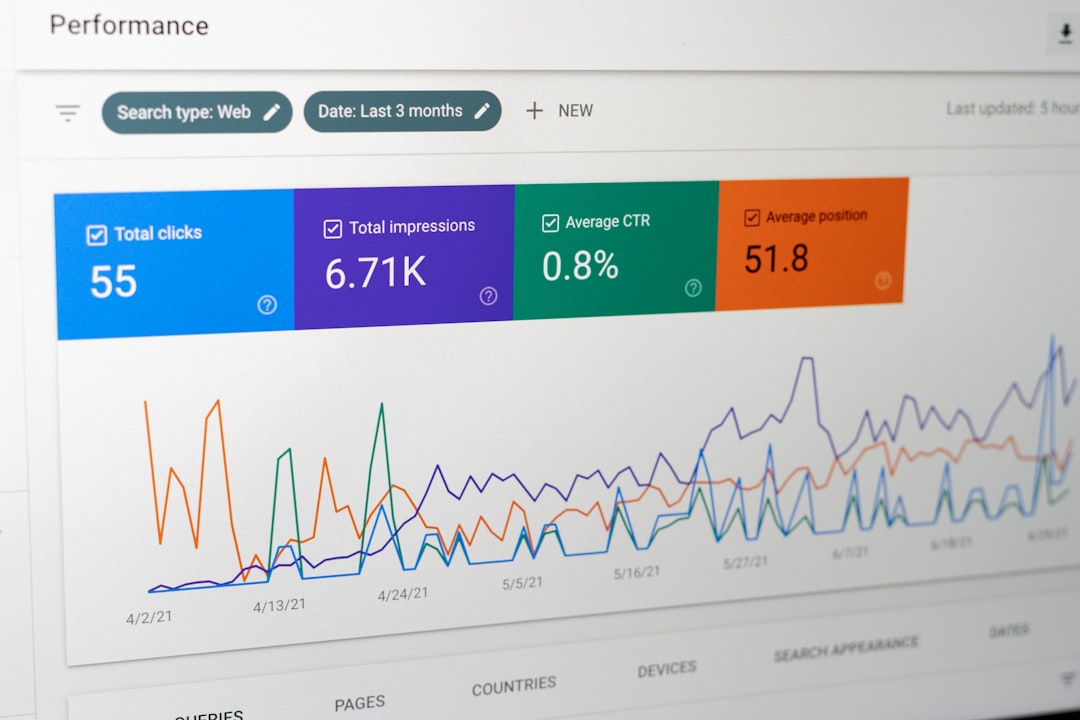
Content intelligence tools all promise clarity. Some give it. Some bury it under tabs, filters, and dashboards that feel like homework. Here is how six popular platforms compare for editorial insights, content performance, and audience engagement.
1. Contently: best for content operations and brand storytelling
Contently works best for marketing teams that treat content like a full production system. It helps manage strategy, assignments, approvals, contributors, and performance. This is not just analytics. It is a planning and workflow platform with reporting attached.
- Best for: enterprise content marketing teams, agencies, and regulated brands.
- Strengths: campaign planning, contributor management, brand governance, content ROI reporting.
- Weak spot: it can feel too heavy if you only need editorial analytics.
The catch is that smaller teams may pay for features they barely touch. If your main question is “Which headline is winning right now?”, Contently is not the fastest answer.
2. Parse.ly: best for editorial decision making
Parse.ly, now part of Automattic, is built for editors who want to know what readers actually do after they click. It tracks attention, recirculation, engaged time, traffic sources, authors, sections, and posts. Its reports are easy to understand without needing a data analyst nearby.
- Best for: publishers, media teams, nonprofit newsrooms, and content-heavy brands.
- Strengths: author reporting, topic trends, evergreen performance, audience loyalty signals.
- Weak spot: advanced custom analysis may still require exports or extra setup.
Parse.ly is especially useful when editors argue over what “successful” means. Pageviews alone can reward shallow hits. Parse.ly makes it easier to compare reach against engaged time and returning users.
3. Chartbeat: best for real-time audience engagement
Chartbeat is the newsroom wallboard tool for a reason. It shows what people are reading now, where they came from, how long they are staying, and whether they are still engaged. For breaking news, live blogs, sports, markets, or election nights, that speed matters.
- Best for: live newsrooms and publishers with high daily traffic.
- Strengths: real-time dashboards, engaged minutes, headline testing, on-page attention.
- Weak spot: long-term planning tools are not as deep as Parse.ly or Contently.
Honestly, it feels like Chartbeat can spoil editors. Once a team gets used to live attention data, waiting until tomorrow for a report feels painfully slow.

4. Google Analytics 4: best free baseline, but not editorial first
Google Analytics 4 is widely used because it is free, flexible, and tied into the Google ecosystem. It tracks events, conversions, acquisition, and user behavior across sites and apps. For content teams, it can answer many basic questions.
- Best for: teams needing a no-cost measurement base.
- Strengths: traffic sources, conversion tracking, custom events, ecommerce links.
- Weak spot: editorial reporting takes setup, patience, and naming discipline.
It drives me crazy that simple newsroom questions can take too many clicks in GA4. Want clear author-level performance? Expect custom dimensions. Want clean content groupings? You need a setup plan before the data gets messy.
5. Semrush Content Marketing Platform: best for SEO-led content plans
Semrush is strong when search demand drives the content calendar. It helps with keyword research, competitor gaps, topic ideas, content briefs, and SEO performance. It is less of a newsroom analytics tool and more of a planning engine.
- Best for: SEO teams, content marketers, affiliate sites, B2B blogs.
- Strengths: keyword data, SERP analysis, topic clustering, competitor tracking.
- Weak spot: it does not show live reader attention like Chartbeat.
Use Semrush before publishing. Use Parse.ly or Chartbeat after publishing. That pairing gives you both demand and behavior.
6. Knotch: best for journey-based content measurement
Knotch focuses on content performance across the customer journey. It helps brands see which pieces influence awareness, consideration, and conversion. This is useful for executives who do not want another pageview chart. They want to know what content moved people closer to action.
- Best for: large B2B and enterprise marketing teams.
- Strengths: journey analytics, content attribution, executive reporting.
- Weak spot: less suited to daily newsroom editing.
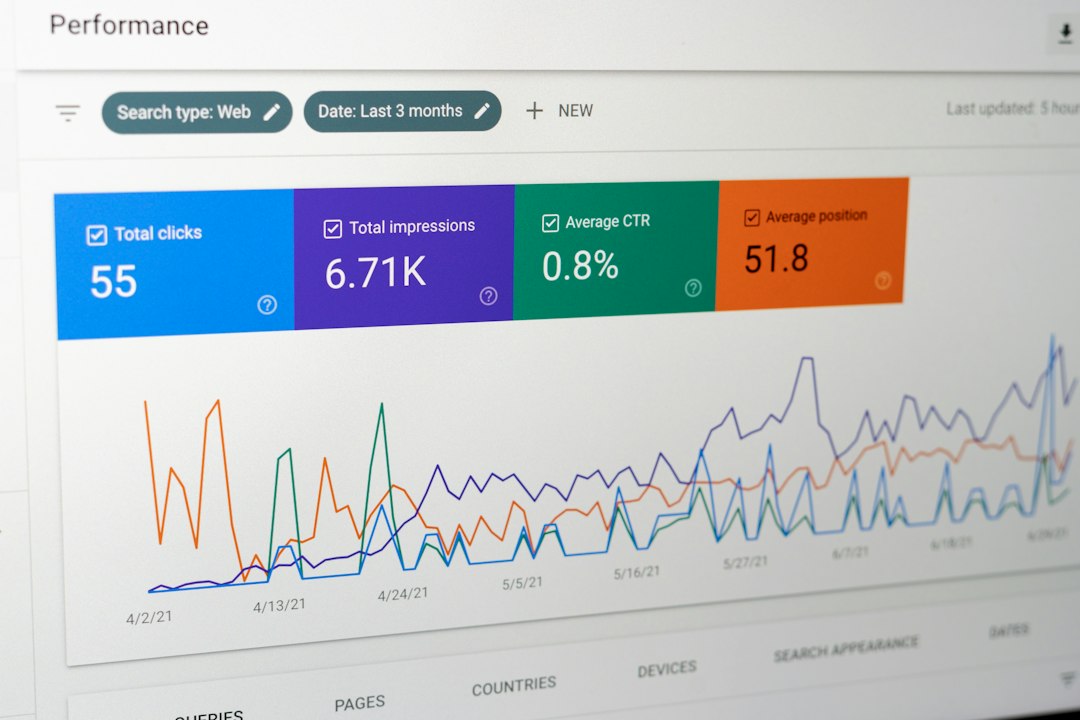
Quick comparison
- Best for editorial insight: Parse.ly
- Best for live engagement: Chartbeat
- Best for content operations: Contently
- Best free starting point: Google Analytics 4
- Best for SEO planning: Semrush
- Best for content attribution: Knotch
The smartest setup is often a mix. A publisher might use Chartbeat during the day, Parse.ly for weekly editorial reviews, and GA4 for site-wide conversion reporting. A brand might use Contently for workflow, Semrush for search planning, and Knotch for board-level reporting.
Choose based on the decision you need to make. If the decision happens in the next 10 minutes, choose Chartbeat. If it happens in the next editorial meeting, choose Parse.ly. If it affects budget, staffing, and campaign planning, choose Contently or Knotch. The right platform should make the next move obvious, not create another dashboard nobody opens.