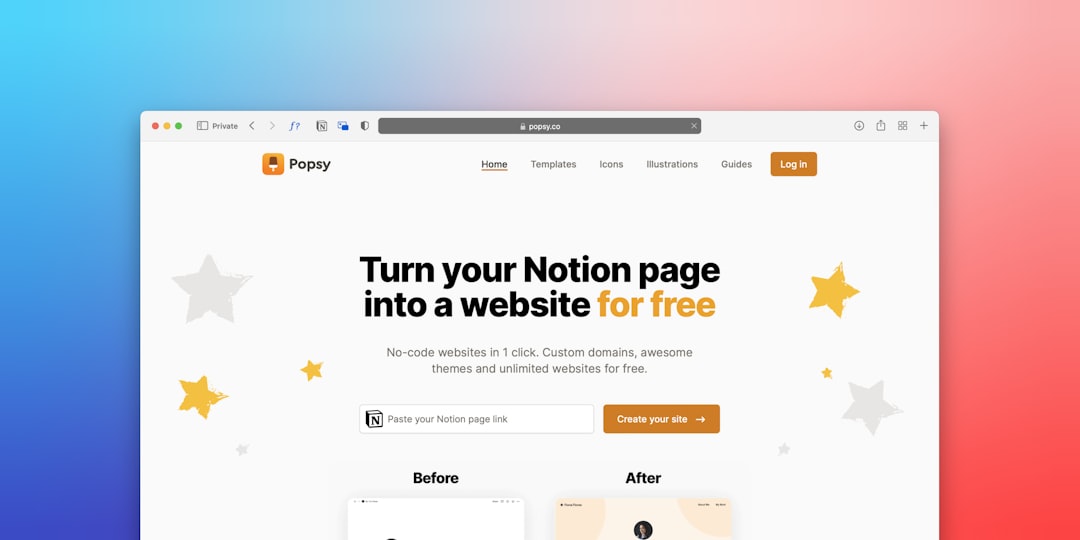
Building a professional website no longer requires advanced coding skills or a team of developers. Thanks to modern drag-and-drop website builders, anyone can design a polished, fully functional site with minimal effort. These intuitive platforms empower entrepreneurs, creatives, and small businesses to bring their ideas online quickly—without sacrificing aesthetics or performance.
TLDR: Drag-and-drop website builders make creating a professional website fast and accessible, even for beginners. They offer intuitive interfaces, customizable templates, and built-in tools for SEO, ecommerce, and branding. Platforms like Wix, Squarespace, Webflow, Shopify, and Weebly each provide strengths tailored to different needs. Choosing the right builder depends on your technical comfort level, budget, and long-term goals.
In this guide, we explore the top drag-and-drop website builders that redefine effortless design, compare their features, and help you determine which platform best matches your ambitions.
Why Drag-and-Drop Builders Are So Popular
The appeal of drag-and-drop website builders lies in their simplicity. Instead of writing code, users manipulate visual elements—such as text boxes, images, and buttons—directly on the page layout. This visual approach not only accelerates design but also makes the entire process more intuitive.
- No coding required – Build visually without HTML or CSS knowledge.
- Pre-designed templates – Start with a professional foundation.
- Responsive design – Sites adapt automatically to mobile devices.
- Integrated tools – SEO, analytics, ecommerce, and marketing features built in.
- Quick publishing – Launch your website in hours instead of weeks.
For freelancers and startups especially, this combination of speed and functionality can mean the difference between idea and execution.

Featured Picks: Top Drag-and-Drop Website Builders
Here are five leading platforms that consistently deliver performance, flexibility, and user-friendly design.
1. Wix
Best for creative freedom and customization
Wix is widely recognized for its highly flexible editor. Users can place elements anywhere on the page, enabling exact positioning and creative layouts. With hundreds of templates covering industries from hospitality to consulting, Wix caters to diverse needs.
- Massive template library
- Advanced design control
- App marketplace for extended functionality
- Beginner-friendly onboarding wizard
Wix balances power with accessibility, making it an excellent choice for both newcomers and experienced designers.
2. Squarespace
Best for sleek, professional aesthetics
Squarespace is known for its elegant templates and design consistency. Its structured editor offers slightly less freedom than Wix, but that constraint results in beautifully aligned, polished layouts. Artists, photographers, and creative professionals often gravitate toward this platform.
- Modern, high-quality templates
- Strong blogging features
- Integrated ecommerce tools
- Reliable hosting and security
If visual sophistication is your top priority, Squarespace delivers refined results effortlessly.
3. Shopify
Best for ecommerce businesses
While Shopify focuses heavily on online stores, its drag-and-drop components have improved substantially over the years. It provides robust tools for inventory management, payment processing, and shipping logistics.
- Comprehensive ecommerce features
- Secure payment gateways
- Extensive app ecosystem
- Scalable for growing businesses
Entrepreneurs looking to launch and scale online shops will appreciate Shopify’s specialized capabilities.
4. Webflow
Best for advanced design control without coding
Webflow bridges the gap between no-code simplicity and front-end development. While still drag-and-drop, it offers deeper customization options that mimic CSS-level control.
- Precise layout and animation tools
- CMS functionality
- Clean code export options
- Ideal for designers seeking flexibility
Webflow may require a steeper learning curve, but it rewards users with unparalleled design freedom.
5. Weebly
Best for simplicity and small websites
Weebly offers a straightforward editing experience perfect for personal projects or small businesses. It may lack some advanced customization features, but its ease of use is a major advantage.
- Simple interface
- Affordable pricing
- Basic ecommerce functionality
- Quick setup process
If you need an uncomplicated website built quickly, Weebly remains a dependable option.
Comparison Chart
| Platform | Ease of Use | Design Flexibility | Ecommerce Strength | Best For |
|---|---|---|---|---|
| Wix | Very Easy | High | Moderate | Creative flexibility |
| Squarespace | Easy | Moderate | Strong | Visual portfolios and branding |
| Shopify | Moderate | Moderate | Excellent | Online stores |
| Webflow | Moderate | Very High | Moderate | Design professionals |
| Weebly | Very Easy | Basic | Basic | Small businesses |
How to Choose the Right Builder
With so many capable platforms available, selection ultimately depends on your goals. Consider the following factors:
1. Purpose of Your Website
Are you launching a blog, portfolio, service-based business, or full ecommerce store? Builders often specialize in certain areas.
2. Technical Comfort Level
If you prefer minimal complexity, opt for platforms known for beginner-friendly interfaces. If you enjoy experimenting with layouts and animations, choose a more advanced editor.
3. Budget
Pricing structures vary significantly. Some platforms offer affordable starter plans, while others require higher tiers for ecommerce or advanced customization features.
4. Scalability
Think long-term. Will your website need to expand with additional pages, integrations, or advanced marketing tools? Choose a builder that can grow alongside you.
Key Features to Look For
Not all drag-and-drop builders are created equal. Before committing, evaluate these core features:
- Mobile responsiveness – Ensure layouts automatically adjust across devices.
- SEO tools – Meta descriptions, custom URLs, and sitemap control are essential.
- Loading speed – Performance influences user experience and search rankings.
- Design templates – Quality and variety matter more than sheer quantity.
- Customer support – Reliable assistance saves time and frustration.
The Future of Effortless Design
Drag-and-drop website builders continue evolving alongside AI-driven enhancements. Many now include automated layout suggestions, smart content placement, and even AI-generated text assistance. These improvements don’t eliminate creativity—they enhance it.
As intuitive interfaces improve, the distinction between professional developers and DIY creators continues to narrow. Small businesses can now compete visually with larger enterprises, leveling the digital playing field.
Additionally, integration ecosystems are expanding. Builders increasingly connect with marketing automation tools, customer relationship management systems, and advanced analytics platforms. What was once a simple website editor is now a comprehensive digital command center.
Final Thoughts
Drag-and-drop website builders have transformed how individuals and businesses approach design. By removing technical barriers and streamlining workflows, they allow ideas to move from concept to live site in record time.
Whether you value maximum creative control, flawless visual polish, ecommerce power, or beginner-friendly simplicity, there is a platform tailored to your needs. The key lies in understanding your objectives and selecting a builder aligned with your growth strategy.
In today’s digital-first environment, launching a website is no longer an intimidating technical challenge—it’s an achievable, creative endeavor. With the right drag-and-drop builder, effortless design becomes not just possible, but genuinely enjoyable.