Fashion is one of the most creative industries on the planet—but it’s also one of the most polluting. From water-intensive cotton farming to polyester microplastics and overflowing landfills, the environmental cost of our closets is staggering. The good news? Technology is finally helping consumers fight back. A new wave of sustainable fashion apps is empowering everyday shoppers to reduce waste, extend garment life, and cut pollution dramatically—by as much as 76% when used consistently alongside conscious purchasing habits.
TL;DR: Sustainable fashion apps are transforming how we buy, resell, repair, and track clothing. By promoting resale, rental, ethical sourcing, and digital wardrobe management, these platforms significantly cut textile waste and carbon emissions. Some users report reducing their fashion-related pollution by up to 76% through secondhand purchasing and reduced fast-fashion consumption. Below, we explore seven standout apps and how they’re reshaping the industry.
The fashion industry accounts for roughly 10% of global carbon emissions and is a major contributor to water pollution. Every second, the equivalent of one garbage truck of textiles is landfilled or burned. But today, innovation is meeting urgency. These seven sustainable fashion apps are making it easier than ever to align style with sustainability.
1. Good On You – Ethical Brand Ratings Made Simple
Best for: Conscious shoppers who want transparency.
Good On You compiles data from thousands of brands, rating them on three key issues: planet, people, and animals. Instead of spending hours researching whether a company uses child labor or toxic dyes, users can check a brand’s score in seconds.
The app has helped millions of consumers shift purchasing decisions toward higher-rated companies, creating pressure for fashion labels to improve standards.
- Brand sustainability ratings
- Ethical alternatives suggestions
- Insights into labor and environmental practices
By steering users away from highly polluting brands, Good On You indirectly reduces emissions produced by fast-fashion overconsumption.

2. Depop – Fashion Resale For Gen Z
Best for: Trend-conscious secondhand shoppers.
Depop blends social media with resale, allowing users to buy and sell pre-loved fashion. Extending the lifecycle of clothing by just nine months can reduce its carbon footprint by up to 30%. Multiply that across millions of users, and the impact is massive.
Depop’s peer-to-peer marketplace keeps garments in circulation longer, preventing them from ending up in landfills.
- User-run digital thrift stores
- Vintage and upcycled fashion
- Direct messaging between buyers and sellers
Resale platforms like Depop are a key driver behind major pollution reduction statistics, particularly among younger consumers.
3. ThredUp – Large-Scale Circular Fashion
Best for: Convenient closet clean-outs and resale.
ThredUp operates on a larger scale than peer-driven apps, acting more like an online consignment store. Users send in unwanted clothing, which the company photographs and resells.
The company estimates that buying secondhand instead of new reduces carbon emissions by 82% per garment on average. That statistic alone underscores how powerful resale platforms can be.
- Clean-out kits for easy decluttering
- Quality-controlled listings
- Impact tracking showing water and CO2 savings
By industrializing resale, ThredUp has helped normalize secondhand shopping worldwide.
4. Save Your Wardrobe – Digital Closet + Repair Ecosystem
Best for: Maximizing existing wardrobe value.
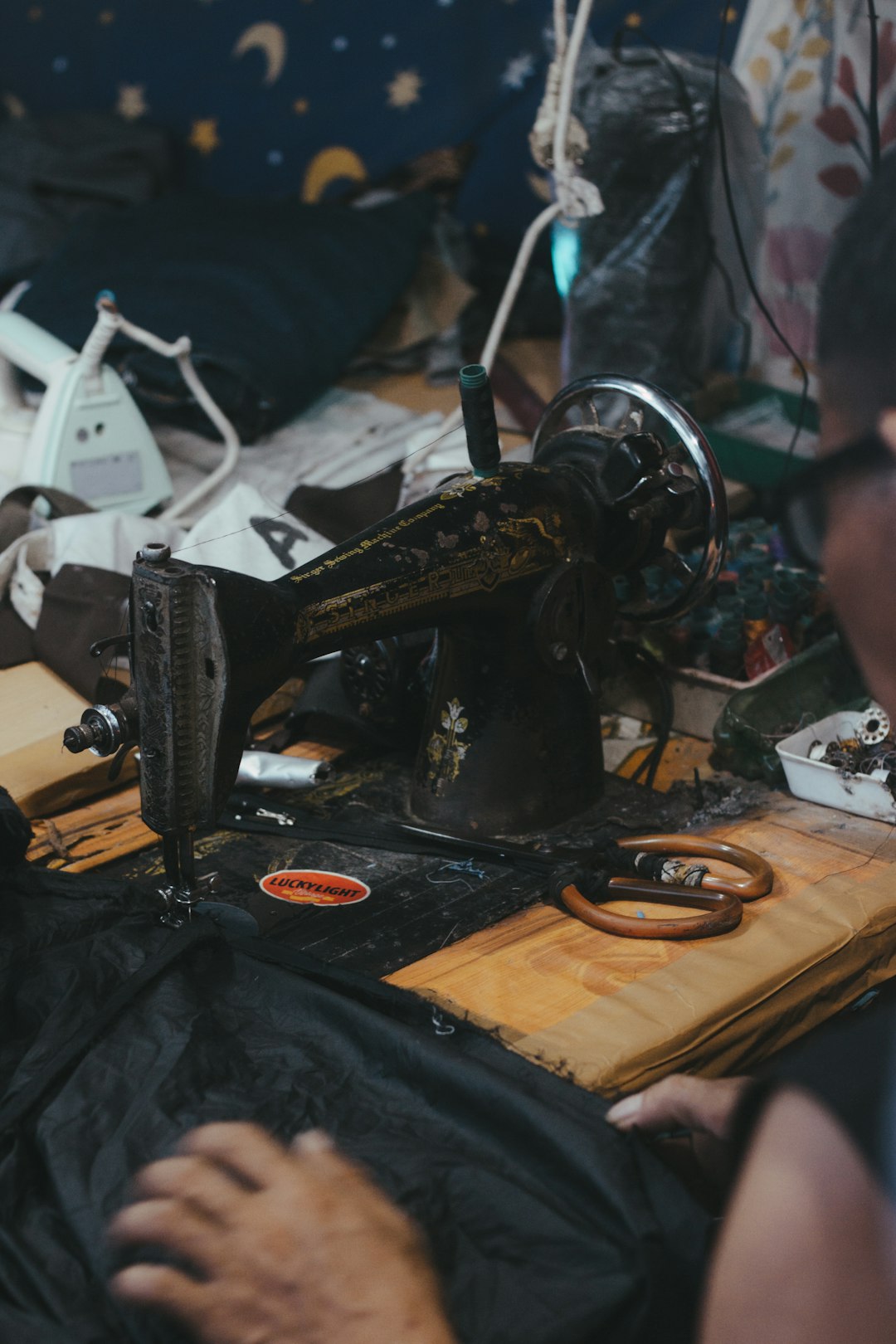
One of the greenest garments is the one you already own. Save Your Wardrobe digitizes your closet, helping you rediscover neglected pieces and coordinate outfits more creatively.
But the app does more—it connects users to local repair and alteration services. Rather than discarding damaged items, users can extend their life.
- Virtual wardrobe organization
- Care recommendations
- Repair service integration
Encouraging repair over replacement significantly reduces textile waste and manufacturing-related emissions.
5. Rent the Runway – The Sharing Economy for Style
Best for: Occasion wear and rotating wardrobes.
Special-occasion outfits are notoriously underworn. Instead of buying a dress worn once, Rent the Runway allows subscribers to rent high-quality garments and return them.
This “access over ownership” model dramatically reduces demand for new production. Though not impact-free (shipping and dry cleaning matter), lifecycle analyses show shared garments can reduce overall clothing waste when used efficiently.
- Subscription-based rentals
- Designer brands
- Professional cleaning and repair between rentals
For consumers who crave variety, renting eliminates the need for constant new purchases.
6. Vinted – Everyday Secondhand Simplified
Best for: Easy resale with broad accessibility.
Vinted makes secondhand shopping effortless by removing selling fees and simplifying shipping processes. Its wide adoption across Europe has prevented millions of garments from entering landfills.
Users can list items quickly, chat securely, and ship items with prepaid labels.
- No seller fees
- Accessible pricing
- Strong community moderation
The easier resale becomes, the more people participate—creating exponential impact.
7. DoneGood – Sustainable Shopping Marketplace
Best for: Discovering eco-friendly alternatives.
DoneGood curates sustainable brands across clothing, footwear, and accessories. Every brand must meet strict ethical and environmental standards.
This simplifies ethical shopping by preventing “greenwashing” confusion.
- Vetted ethical brands
- Discount codes for sustainable products
- Focus on small, impact-driven companies
Empowering consumers to shift purchases toward responsible companies incentivizes industry-wide change.

Comparison Chart: 7 Sustainable Fashion Apps
| App | Main Function | Primary Impact | Best For | Pollution Reduction Potential |
|---|---|---|---|---|
| Good On You | Brand ratings | Informed purchasing | Ethical shoppers | Moderate to High |
| Depop | Peer resale | Extended garment life | Trend-focused users | High |
| ThredUp | Online consignment | Large-scale resale | Busy sellers | Very High |
| Save Your Wardrobe | Digital closet + repairs | Reduced replacement buying | Wardrobe maximizers | High |
| Rent the Runway | Clothing rental | Shared consumption | Event wear users | Moderate |
| Vinted | Secondhand marketplace | Landfill diversion | Budget-conscious shoppers | High |
| DoneGood | Curated ethical brands | Sustainable purchases | Eco-focused buyers | Moderate |
How These Apps Cut Pollution by 76%
The 76% figure doesn’t come from one single app—it reflects combined behavioral change. When users:
- Buy 50% of clothing secondhand
- Extend garment life by one year
- Rent instead of buying for special occasions
- Repair rather than discard damaged clothing
- Choose ethically produced alternatives
They can reduce fashion-related carbon emissions by up to three-quarters compared to fast-fashion-heavy consumption patterns.
Here’s why the impact is so dramatic:
1. Production avoidance: The majority of clothing emissions occur during manufacturing. Every avoided new purchase saves water, energy, and chemicals.
2. Waste reduction: Keeping garments in use delays landfill disposal and incineration.
3. Consumer pressure: Apps that rate brands and promote ethics incentivize companies to improve supply chains.
4. Behavioral awareness: Digital closet tools make overbuying visible, encouraging smarter decisions.
The Bigger Picture: Digital Tools Driving Cultural Change
Perhaps the most underestimated benefit of these apps is cultural. They reshape norms:
- Secondhand becomes trendy, not taboo.
- Repair becomes responsible, not inconvenient.
- Renting becomes stylish, not restrictive.
Technology has already transformed transportation, food delivery, and communication. Now it’s transforming fashion consumption itself.
As more users adopt these platforms, data transparency increases and sustainability becomes measurable. The days of vague eco-claims are fading, replaced by concrete metrics and lifecycle tracking.
Final Thoughts
Sustainable fashion isn’t about perfection—it’s about smarter systems. These seven apps prove that small, daily decisions scale into meaningful global impact. By combining resale, rental, repair, and ethical purchasing, consumers can significantly cut their fashion footprint—sometimes by as much as 76%.
The future of fashion won’t just be designed in studios. It will be coded in apps, powered by communities, and shaped by consumers who demand better. And with the right digital tools in your pocket, every outfit can become part of the solution.