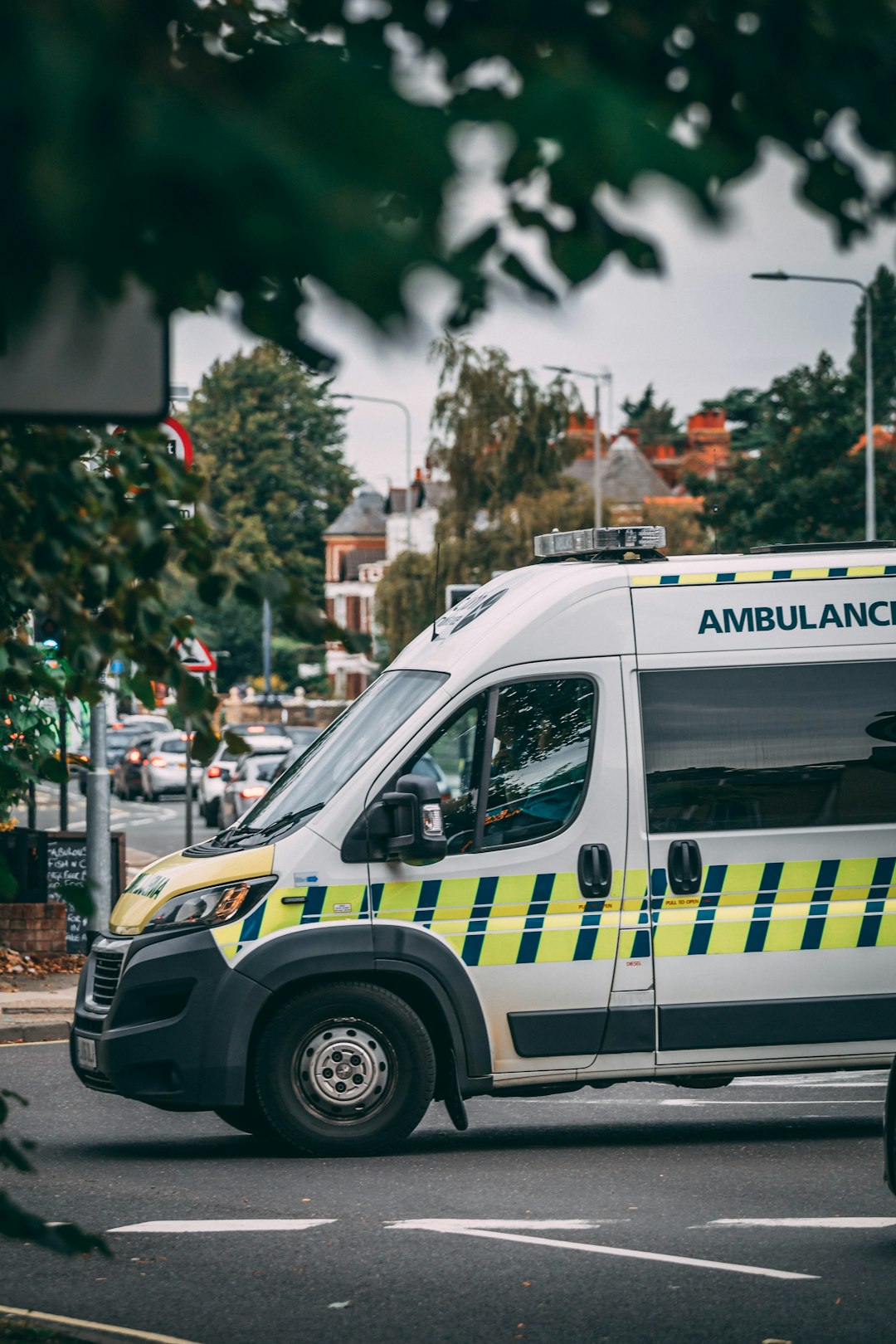
The best First Due alternative depends on the pain you are trying to fix: reporting speed, shift scheduling, apparatus checks, EMS charting, or incident command. That choice matters because U.S. fire departments answered an estimated 36.4 million calls in 2022, and bad software turns that volume into late reports, missed checks, and tired crews [source: NFPA].
TLDR: If you want a broad replacement for First Due, start with ESO or ImageTrend. If your biggest issue is staffing, try Aladtec; if command visibility is the problem, review Tablet Command. For example, a 40-person department running 2,000 calls a year could save hours each week if NFIRS reports, staffing changes, and apparatus checks stop living in three separate systems.
Image not found in postmetaWhat to Look for in a First Due Alternative
First Due is known for bringing pre-plans, reporting, scheduling, inspections, and response tools into one system. That is useful. Still, some departments need a different fit, a tighter EMS workflow, or a tool crews will actually use without grumbling.
Honestly, it feels like some public safety software was built by people who never had to finish a report at 2:17 a.m. after a working fire. So the best option is not always the one with the longest feature list. It is the one that reduces clicks, cleans up data, and does not slow the rig down.
1. ESO Fire RMS and ESO EHR
Best for: departments that need strong fire reporting and EMS charting in one ecosystem.
ESO is a major name in fire and EMS data. Its tools cover NFIRS reporting, ePCR, analytics, asset tracking, inspections, and hospital data exchange. For combination fire and EMS agencies, that matters. You can connect patient care reports with operational trends and see what is really happening over time.
- Strength: strong reporting and EMS data tools.
- Watch out for: setup can take time if your old data is messy.
- Good fit: mid-size to large agencies that care about analytics.
2. ImageTrend Elite
Best for: EMS-heavy agencies and departments with strict reporting needs.
ImageTrend Elite is widely used for EMS records, fire reporting, community health, and connected data programs. It is especially useful when EMS documentation has to be clean, compliant, and ready for review. Crews can complete charts in the field, while leaders can track response times, outcomes, and quality checks.
The catch is that deep systems can feel heavy at first. Expect training time. But once templates are tuned, the daily workflow gets much smoother.
- Strength: EMS documentation and quality review.
- Watch out for: configuration can feel dense.
- Good fit: EMS agencies, fire-based EMS, and state reporting programs.
3. Emergency Reporting
Best for: departments that want familiar fire RMS tools without too much clutter.
Emergency Reporting has long been used by fire departments for incident reports, training records, hydrants, inspections, equipment, and personnel tracking. Many firefighters like it because the workflow feels familiar. It is not trying to be everything at once, which can be a relief.
It can be a smart choice for departments that need clean reporting but do not want to rebuild every station process overnight.
- Strength: fire records and routine station documentation.
- Watch out for: may not cover every advanced response planning need.
- Good fit: volunteer, combination, and small career departments.
4. Aladtec
Best for: scheduling, staffing, shift trades, and workforce communication.
Aladtec is not a full First Due clone. That is the point. It focuses on staffing, availability, time tracking, forms, and messaging. If your main headache is shift coverage, this may solve more pain than a huge RMS rollout.
It drives people crazy when a captain has to confirm availability through texts, spreadsheets, and hallway promises. Aladtec replaces that with one shared schedule and clearer staffing views.
- Strength: simple scheduling and crew communication.
- Watch out for: you may still need separate incident reporting software.
- Good fit: volunteer EMS, fire districts, and agencies with complex rosters.
5. Vector Solutions
Best for: training, inspections, apparatus checks, and operational readiness.
Vector Solutions offers tools such as Vector Scheduling, Vector Check It, and training management. It is useful for departments that want to tighten daily checks, track certifications, and keep crews current on required learning.
This is a strong First Due alternative when your reporting system is fine, but your readiness tools are scattered. Apparatus checks, narcotics logs, PPE inspections, and training records can become easier to track.
- Strength: training and equipment readiness.
- Watch out for: best results may require using several Vector modules.
- Good fit: departments focused on compliance and daily accountability.
6. Tablet Command
Best for: incident command, unit tracking, mapping, and live scene awareness.
Tablet Command is built for response, not back-office paperwork. Incident commanders can view units, assign tasks, monitor status, and manage incidents from a tablet. For structure fires, wildland incidents, rescues, and multi-agency events, that visibility can be a big deal.
It pairs well with CAD and other records systems. Think of it as an emergency response layer rather than a full records platform.
- Strength: command visibility and field coordination.
- Watch out for: not a complete RMS by itself.
- Good fit: agencies that need better command tools on active incidents.
Quick Buying Advice
Do not buy based on a demo alone. Ask vendors to show your real workflows: a medical call, a mutual aid fire, a shift trade, a failed apparatus check, and a late NFIRS report. Time each task. If one system adds 30 seconds to every report field, crews will notice.
Best overall alternatives: ESO and ImageTrend. Best scheduling pick: Aladtec. Best readiness pick: Vector Solutions. Best command tool: Tablet Command. The right answer is the one your crews can use fast, under stress, at 3 a.m., without creating more paperwork later.