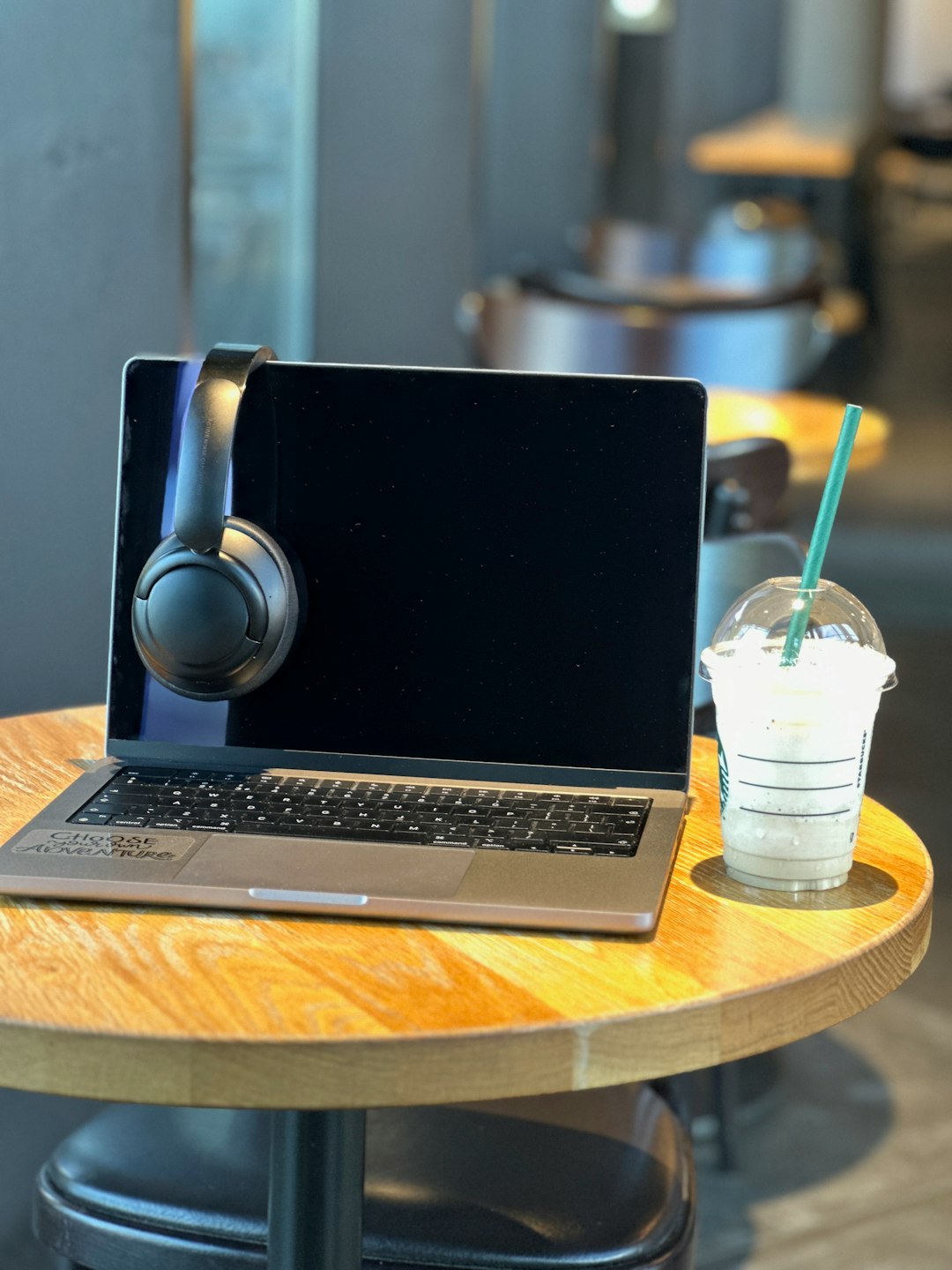
Walk into a coffee shop, a college classroom, or even an airport lounge. What do you see? Most people are tapping away on slim, portable laptops. The big beige desktop towers that once ruled offices seem far less common today. Technology has changed fast. And so have our habits.
TLDR: Yes, laptops are more common than desktops today for most people. They are portable, powerful, and take up less space. Schools, businesses, and remote workers prefer them. Desktops still matter for gaming, offices, and high-performance tasks, but laptops now dominate everyday computing.
Let’s break it down in a simple and fun way.
The Rise of the Laptop
There was a time when laptops were a luxury. They were heavy. They were slow. They were expensive. Many people called them “notebooks.” And they struggled to match desktop performance.
That is not true anymore.
Modern laptops are:
- Thin and lightweight
- Powerful enough for demanding tasks
- Energy efficient
- Affordable for students and families
Technology improved fast. Processors became smaller and stronger. Batteries lasted longer. Storage became faster. Screens became brighter and sharper. All of this made laptops more attractive.
People love convenience. Laptops offer that in a simple package.

Why Portability Changed Everything
Portability is the biggest reason laptops became more common. It is hard to compete with something you can fold, slip into a bag, and carry anywhere.
Imagine these situations:
- You move between meetings at work.
- You study at the library.
- You travel often.
- You work from home and from the office.
A desktop cannot follow you. A laptop can.
As remote work grew, especially after global events pushed people home, companies bought laptops in bulk. Employees needed flexible setups. Laptops made that easy. You could work at a desk. Then move to the couch. Then visit a coworking space.
Flexibility became the new normal.
Desktops Had Their Golden Age
In the 1990s and early 2000s, desktops ruled the world. Offices were filled with towers and bulky monitors. Computer labs at schools had rows of identical stations. Homes often had one shared family desktop.
Why were desktops so popular?
- They were more powerful.
- They were easier to upgrade.
- They were cheaper for high performance.
If you wanted serious computing power, you bought a desktop. That was the rule.
But over time, laptops caught up.
Performance Gap Is Smaller Than Ever
Today’s laptops can handle:
- Video editing
- Graphic design
- Programming
- Streaming
- Online gaming
For most users, that is more than enough.
Unless you are doing extreme tasks like high-end 3D rendering or heavy scientific simulations, a modern laptop works perfectly fine.
This reduced the need for desktops in homes. Why buy a machine that stays in one spot if a portable one can do the same job?
Space Matters More Than You Think
Living spaces are smaller than before in many cities. Apartments are compact. Dorm rooms are tight. Not everyone has space for a full desk setup.
A desktop requires:
- A tower
- A monitor
- A keyboard
- A mouse
- Extra cables
A laptop needs:
- Just itself
- Maybe a charger
That simplicity wins for many people.
You can even connect a laptop to a monitor and use it like a desktop when needed. So it becomes two devices in one.
Schools and Universities Prefer Laptops
Look at students today. Most carry laptops instead of relying on campus desktops.
Why?
- They take notes in class.
- They work on group projects anywhere.
- They study in different locations.
- They attend online lectures.
Laptops fit modern education perfectly.
Even younger students now use lightweight devices. Many schools provide laptops instead of building large desktop labs. It is easier to maintain and more flexible for learning.

Workplaces Shifted Too
Corporate offices once depended heavily on desktops. They were secure. They were stable. They stayed at the office.
Now work is different.
Employees expect:
- Hybrid work options
- Remote access
- Mobility
Laptops make this possible. IT departments can issue a laptop to each worker. That device works at the office and at home. Simple.
Docking stations also changed the game. When at a desk, you plug your laptop into a dock. Instantly, you get:
- Large monitors
- Full keyboard
- Mouse
- Extra accessories
Unplug. And you are mobile again.
But Desktops Are Not Dead
Even though laptops are more common today, desktops still have strong fans.
Gamers love desktops. Why?
- Better cooling
- More powerful graphics cards
- Easy upgrades
Serious gaming often demands high-end components. Desktops handle this better. You can swap parts. Upgrade memory. Install new graphics cards.
Creative professionals also use desktops. Video editors. Animators. Engineers. Architects. They often need maximum performance and multiple monitors.
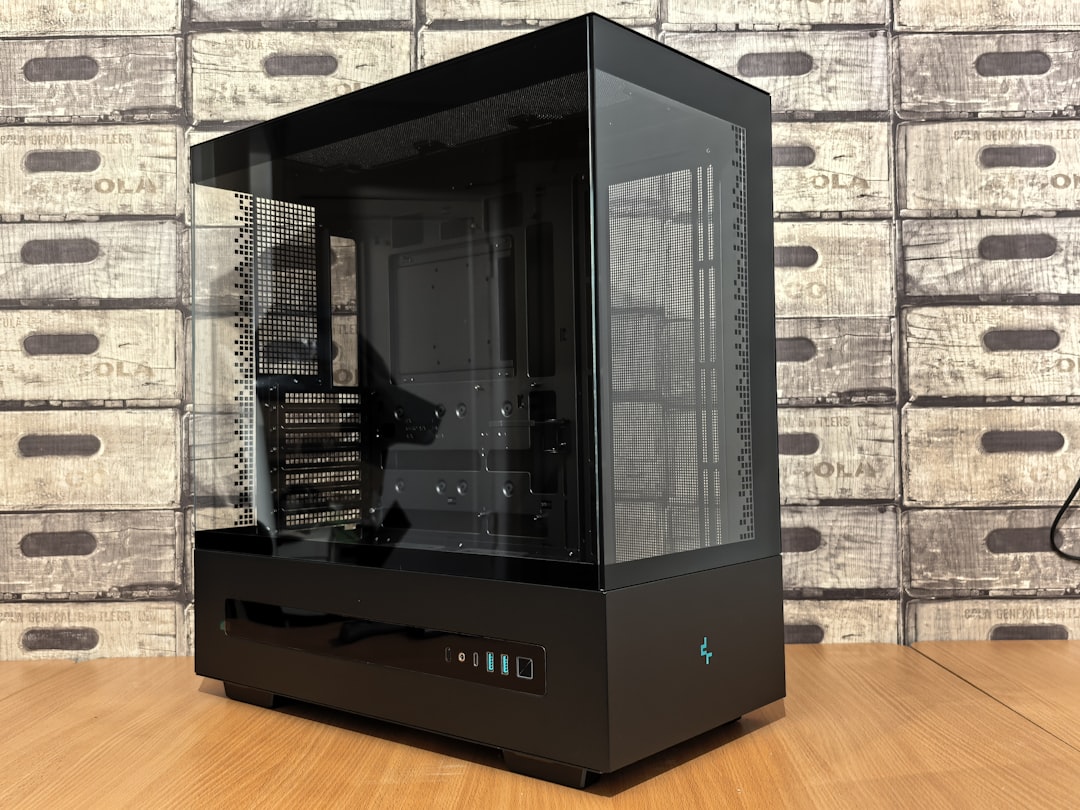
In offices like design studios and production houses, desktops are still common.
Cost Differences Today
Price used to be a big advantage for desktops. You could get more power for less money.
That is still somewhat true at the high end. But for everyday tasks, laptops are very competitive.
You can find affordable laptops that:
- Browse the web smoothly
- Stream videos clearly
- Run office software easily
For the average family, that is enough.
Instead of buying a desktop and a separate tablet, many choose one decent laptop. It covers most needs.
The Influence of WiFi and Cloud Services
Fast internet changed everything.
Before WiFi was everywhere, desktops made sense. They stayed connected through wired cables. Laptops relied heavily on limited battery life and slower wireless networks.
Now we have:
- Fast home broadband
- Public WiFi spots
- Cloud storage
- Online apps
Your data lives in the cloud. Your files sync automatically. You are not tied to one machine in one room.
This supports the laptop lifestyle.
Are Laptops Really More Common?
If you look at global sales numbers in recent years, laptops and portable devices often outsell traditional desktop computers. Businesses buy fleets of laptops. Students buy laptops. Remote workers buy laptops.
Desktops are still produced in large numbers. But they serve more specific groups now.
Think of it like this:
- For general use, laptops win.
- For mobility, laptops win.
- For extreme performance, desktops often win.
- For upgrades and customization, desktops win.
But most people are general users. That is the key point.
What About the Future?
The line between laptop and desktop keeps blurring.
Some laptops are so powerful they replace professional workstations. Some desktops are compact and tiny. Mini PCs take very little space.
We also see growth in tablets with keyboards. And even smartphones that connect to external monitors.
Still, if we compare traditional desktops to laptops, laptops clearly lead in popularity today.
People value:
- Freedom
- Simplicity
- Mobility
Laptops deliver all three.
A Simple Way to Decide
If you are choosing between the two, ask yourself:
- Do I move around a lot?
- Do I travel?
- Is my space limited?
- Do I need the most powerful machine possible?
If you answered yes to the first three, a laptop makes sense.
If you care most about raw power and upgrades, a desktop might still be your best friend.
Final Thoughts
So, are laptops more common than desktops today? In most homes, schools, and offices, yes. They have become the default choice for everyday computing.
Desktops are no longer the king of the average household. But they are far from extinct. They thrive in gaming rooms, production studios, and performance-driven workplaces.
Technology keeps evolving. Devices keep shrinking. Power keeps increasing. For now, the laptop sits comfortably on top of the popularity chart.
And if you look around the next time you are in public, count the screens you see. Chances are, most of them will fold in half and fit inside a backpack.
That says it all.