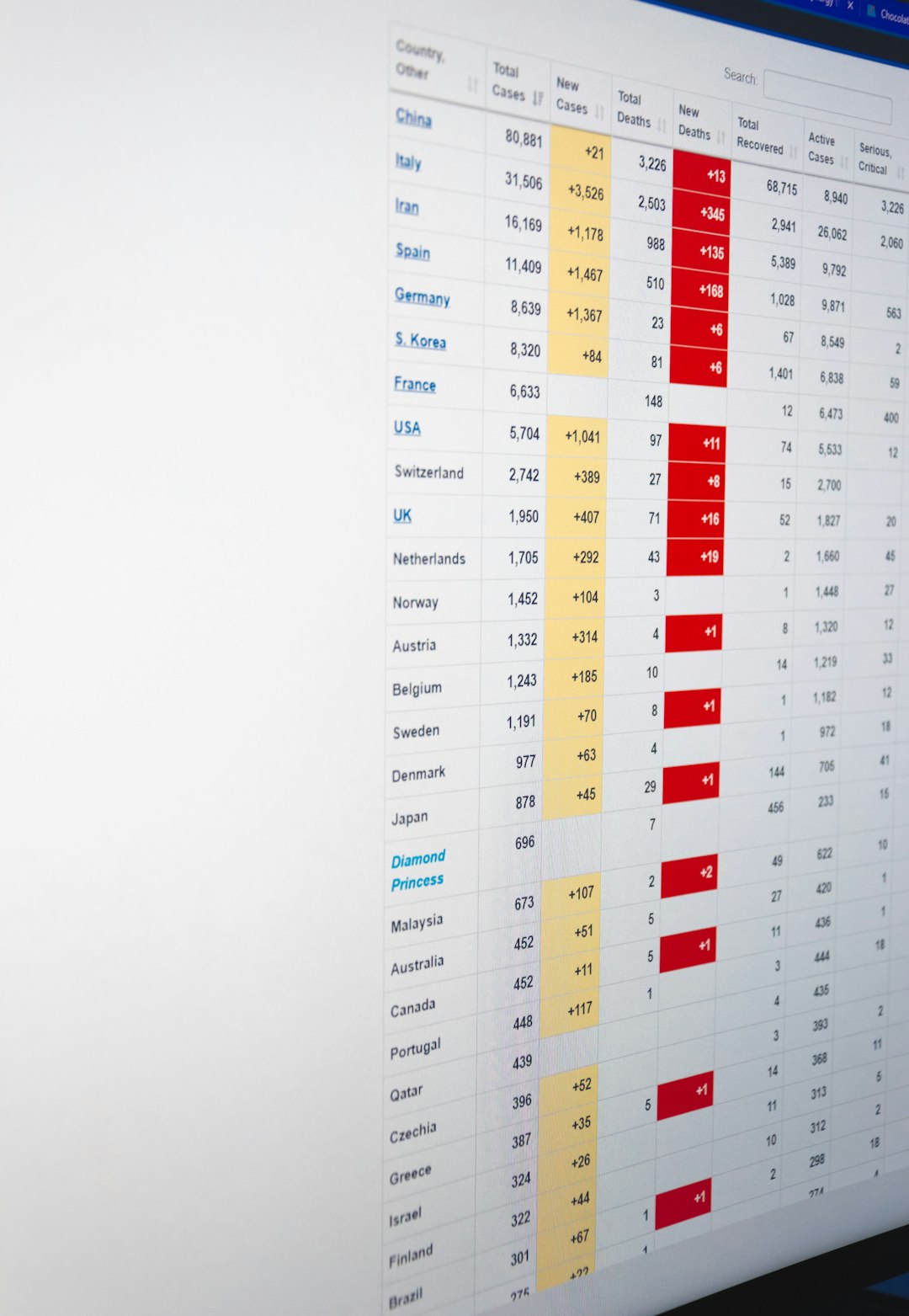
In today’s data-driven economy, information is more than just numbers on a spreadsheet—it’s a competitive advantage. From monitoring competitors to tracking pricing changes and gathering customer insights, web scraping has become an essential technique for businesses, marketers, researchers, and developers alike. With the right platform, collecting and analyzing vast amounts of web data can be both efficient and scalable.
TLDR: Web scraping platforms help businesses collect and analyze web data quickly and at scale. The best tools offer automation, anti-bot handling, data exporting, and advanced analytics integration. This article explores six powerful web scraping platforms, highlighting their features, strengths, and ideal use cases. A comparison chart at the end helps you choose the right solution for your needs.
Below, we explore six leading web scraping platforms that simplify data collection and analysis—without requiring you to build complex infrastructure from scratch.
1. Octoparse
Octoparse is a popular no-code web scraping platform designed for users who want powerful automation without programming experience. Its intuitive point-and-click interface allows you to create scraping workflows visually.

Key Features:
- Visual workflow designer
- Cloud-based and local extraction
- Automatic IP rotation
- Scheduled scraping
- Export to CSV, Excel, API, and databases
Octoparse is ideal for marketing teams, ecommerce analysts, and researchers who frequently collect structured website data. It handles pagination, login authentication, and even dynamic websites built with JavaScript.
Best for: Non-programmers and small-to-medium businesses.
2. ParseHub
ParseHub is another visual scraping tool that focuses on extracting data from dynamic and interactive websites. It uses machine learning technology to recognize complex data relationships.
Key Features:
- Advanced data selection tools
- Cloud-based scraping
- REST API access
- Scheduled data collection
- Works with AJAX and JavaScript-heavy sites
ParseHub’s flexibility makes it particularly useful for scraping marketplaces, directories, and social media platforms. The desktop application sends jobs to the cloud, allowing large-scale extractions without overloading your local system.
Best for: Users dealing with complex website structures.
3. Bright Data
Bright Data (formerly Luminati) is an enterprise-grade web data platform offering large-scale scraping infrastructure. It provides extensive proxy networks and data collection tools tailored to businesses requiring massive volumes of data.
Key Features:
- Residential, mobile, and datacenter proxies
- Pre-built datasets
- Web Unlocker for bypassing anti-bot protections
- Advanced scraping APIs
- High scalability
Bright Data is well-suited for enterprises conducting price intelligence, fraud detection, ad verification, and market research at scale. While it requires more technical expertise than no-code platforms, its power and reliability are unmatched.
Best for: Enterprises and technical teams managing large-scale data projects.
4. Scrapy
Scrapy is an open-source web crawling framework written in Python. Unlike visual tools, it requires programming knowledge and is primarily used by developers building custom data pipelines.
Key Features:
- Highly customizable
- Fast and asynchronous processing
- Extensive documentation and community support
- Integration with data analysis workflows
- Open-source flexibility
Scrapy is ideal for developers who need full control over their scraping logic. It allows integration with machine learning models, automation scripts, and big data platforms. Although setup may take longer, the flexibility it offers is invaluable for complex projects.
Best for: Developers and data engineers.
5. Diffbot
Diffbot uses artificial intelligence to automatically extract structured data from web pages. Rather than manually designing extraction paths, Diffbot analyzes page content and converts it into organized datasets.
Key Features:
- AI-powered data recognition
- Automatic content classification
- Knowledge graph integration
- News and product monitoring APIs
- Structured JSON outputs
Diffbot shines in content-rich scenarios such as news aggregation, knowledge base construction, and ecommerce catalog monitoring. Its AI reduces manual configuration time significantly.
Best for: Content intelligence and automated data structuring.
6. Apify
Apify is a full-stack web scraping and automation platform built for developers and businesses alike. It enables users to run “actors” (pre-built scraping scripts) on the cloud, or develop their own custom solutions.
Key Features:
- Cloud-based automation platform
- Marketplace for ready-made scrapers
- Proxy rotation services
- API integration
- Support for Puppeteer and Playwright
Apify offers a balance between developer control and ready-to-use solutions. Businesses can quickly deploy existing scrapers or modify them to suit unique requirements.
Best for: Teams needing scalable automation with moderate coding flexibility.
Comparison Chart
| Platform | No-Code Option | Best For | Scalability | Technical Skill Required |
|---|---|---|---|---|
| Octoparse | Yes | Marketing & ecommerce | Medium | Low |
| ParseHub | Yes | Dynamic websites | Medium | Low–Medium |
| Bright Data | Partial (APIs) | Enterprise data ops | Very High | High |
| Scrapy | No | Custom development | High | High |
| Diffbot | API-based | Content extraction | High | Medium |
| Apify | Partial | Cloud automation | Very High | Medium–High |
How to Choose the Right Platform
Choosing the right web scraping platform depends on several factors:
- Technical Expertise: Do you have developers on your team, or do you need a no-code solution?
- Scale Requirements: Are you collecting thousands of records—or millions?
- Target Websites: Are they static HTML pages or complex dynamic platforms?
- Compliance and Ethics: Ensure your scraping practices respect website policies and data protection laws.
For small projects or quick market research, no-code platforms like Octoparse or ParseHub may be more than sufficient. If you’re building predictive pricing models or performing large-scale analytics, Bright Data or Apify might be better suited. Developers seeking full customization often turn to Scrapy.
The Future of Web Scraping
The future of web scraping is increasingly powered by artificial intelligence and automation. AI-driven tools are making structured data extraction more accurate and less labor-intensive. As websites become more dynamic and protective against bots, scraping platforms continue evolving with smarter proxy networks and advanced browser automation.
Moreover, integration with analytics tools, machine learning pipelines, and real-time dashboards is becoming standard. Instead of simply extracting data, modern platforms enable organizations to turn raw information into actionable insights faster than ever.
Final Thoughts
Web scraping platforms are essential tools in modern data strategies. Whether you’re a startup founder monitoring pricing trends, a researcher collecting academic data, or a multinational enterprise building intelligence systems, there’s a scraping solution tailored to your needs.
By carefully assessing your project requirements, technical capabilities, and scalability demands, you can select a platform that transforms online information into strategic insight. In a world where data drives decisions, the right web scraping platform can become one of your most powerful digital assets.