
As digital assets continue to reshape the global financial landscape, secure storage has become one of the most important concerns for crypto users. Whether you are trading daily, investing long-term, or participating in decentralized finance, a reliable crypto wallet is the foundation of safe and efficient transactions. Crypto wallet software does far more than simply hold digital coins—it safeguards private keys, enables secure transfers, and gives users full control over their financial sovereignty.
TLDR: Crypto wallet software allows users to securely store, manage, and transact cryptocurrencies by protecting private keys and enabling blockchain access. Different types of wallets—hot, cold, custodial, and non-custodial—offer varying levels of convenience and security. Choosing the right wallet depends on your usage habits, investment size, and security priorities. Strong encryption, backup practices, and regular updates are essential for safe crypto management.
Understanding how crypto wallets work and how to choose the right one can dramatically reduce the risk of theft, fraud, and loss. In this article, we’ll explore wallet types, security features, transaction processes, and best practices for safe crypto storage.
What Is Crypto Wallet Software?
Unlike a traditional wallet, a crypto wallet does not physically store currency. Instead, it stores private keys—cryptographic codes that grant access to your digital assets on the blockchain. When you send or receive cryptocurrency, the wallet interacts with the blockchain network to sign and verify transactions.
A crypto wallet typically includes:
- Private keys – Secret codes that prove ownership of crypto assets.
- Public keys – Cryptographic keys used to generate wallet addresses.
- Wallet address – The string shared with others to receive funds.
- Transaction history – A record of inbound and outbound blockchain activity.
Without secure wallet software, managing cryptocurrency would be both complex and risky. Wallet applications simplify blockchain interactions while ensuring strong encryption and authentication mechanisms.

Types of Crypto Wallets
Crypto wallets generally fall into two major categories: hot wallets and cold wallets. Each serves a different purpose depending on user needs.
1. Hot Wallets
Hot wallets are connected to the internet. They are widely used for everyday transactions and quick access to funds. These include:
- Mobile wallets – Smartphone apps for crypto payments and trading.
- Desktop wallets – Software installed on a personal computer.
- Web wallets – Browser-based platforms connected to exchanges.
Advantages:
- Fast and convenient access
- Easy integration with exchanges
- Ideal for frequent trading
Disadvantages:
- Vulnerable to malware and phishing attacks
- Higher exposure to online hacking attempts
2. Cold Wallets
Cold wallets operate offline, drastically reducing exposure to cyber threats. These include:
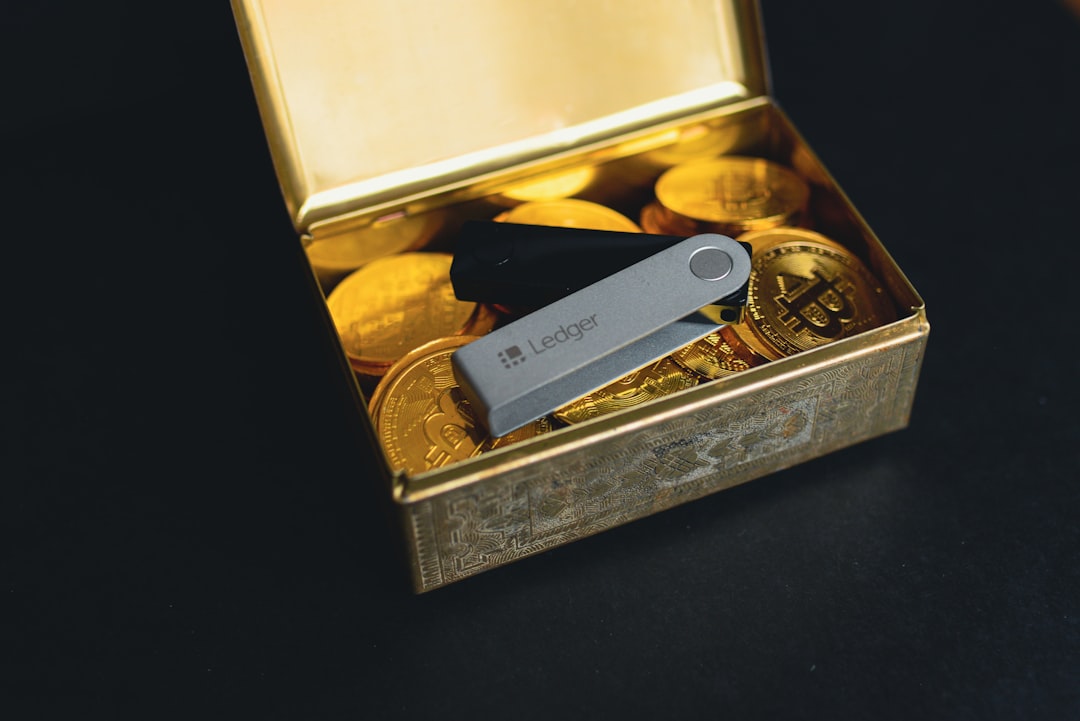
- Hardware wallets – Physical devices resembling USB drives
- Paper wallets – Printed versions of keys and QR codes
Advantages:
- Enhanced protection against online attacks
- Ideal for long-term holders and large investments
Disadvantages:
- Less convenient for daily transactions
- Risk of physical loss or damage
Many experienced users combine both wallet types—using hot wallets for active trading and cold wallets for long-term storage.
Custodial vs Non-Custodial Wallets
Another critical distinction lies between custodial and non-custodial wallets.
Custodial wallets are managed by third parties, such as cryptocurrency exchanges. The provider holds the private keys on your behalf. While convenient, this approach means you rely on the platform’s security measures.
Non-custodial wallets give you full control of your private keys. This provides greater autonomy and reduces dependence on centralized services. However, it also places full responsibility for security and backups on the user.
The popular industry motto—“Not your keys, not your crypto”—emphasizes the importance of controlling private keys personally whenever possible.
Security Features to Look For
When selecting crypto wallet software, security should be your top priority. Modern wallets often include sophisticated protection mechanisms.
Key features to evaluate:
- Two-factor authentication (2FA) – Adds an additional login step.
- Biometric authentication – Fingerprint or facial recognition.
- Seed phrase backup – A 12 or 24-word recovery phrase.
- Multi-signature support – Requires approval from multiple keys.
- End-to-end encryption – Protects user data and private keys.
Seed phrases deserve special attention. If your device is lost or damaged, this phrase can restore access to your funds. It must be written down and stored securely offline—never saved digitally where hackers could find it.
How Transactions Work in Wallet Software
Crypto transactions may seem instant, but several secure steps happen behind the scenes:
- Transaction creation – You enter the recipient’s wallet address and amount.
- Digital signature – Your wallet signs the transaction with your private key.
- Broadcast to network – The transaction is sent to blockchain nodes.
- Verification – Miners or validators confirm the transaction.
- Confirmation – The transaction becomes permanently recorded.
The private key never leaves your wallet. Instead, it generates a digital signature proving ownership without exposing sensitive data. This cryptographic design is what makes blockchain systems secure and trustless.
Best Practices for Safe Crypto Storage
Even the most advanced wallet software cannot protect against poor user habits. Implementing smart security practices is essential.
- Keep software updated to patch security vulnerabilities.
- Use strong, unique passwords for wallet access.
- Enable all available security features including 2FA.
- Store seed phrases offline in a secure physical location.
- Beware of phishing attacks and suspicious links.
- Divide holdings across multiple wallets to reduce risk.
A useful strategy is to treat cryptocurrency like cash and gold combined. Keep small spending amounts accessible, while locking away larger reserves in highly secure storage.
Emerging Trends in Wallet Software
The crypto industry evolves rapidly, and wallet software continues to innovate. Several notable trends are shaping the future of secure storage:
1. Multi-Chain Compatibility
Modern wallets increasingly support multiple blockchains within one interface, allowing users to manage Bitcoin, Ethereum, and various tokens seamlessly.
2. Integration With Decentralized Finance
Wallets are no longer just storage tools—they now connect directly to decentralized exchanges, lending platforms, and NFT marketplaces.
3. Smart Contract Interaction
Users can sign smart contracts directly from wallet interfaces, expanding functionality beyond simple transfers.
4. Enhanced Privacy Tools
Some wallets integrate privacy-focused technologies, improving anonymity and protecting transaction metadata.
Choosing the Right Wallet for Your Needs
Selecting the best wallet depends on several factors:
- Investment size – Larger portfolios benefit from cold storage.
- Transaction frequency – Frequent traders need fast access.
- Technical experience – Beginners may prefer user-friendly interfaces.
- Security tolerance – Advanced users may prefer non-custodial control.
There is no universal “perfect wallet.” Instead, the best solution aligns with your habits, risk tolerance, and long-term strategy.
The Human Factor: Security Awareness
Most crypto losses result not from flawed cryptography, but from human mistakes. Social engineering scams, fake support messages, and malicious downloads remain common threats.
Users must remain vigilant and remember:
- Legitimate services never ask for your seed phrase.
- Always verify website URLs before logging in.
- Avoid sharing wallet details publicly.
In the decentralized world, personal responsibility replaces institutional oversight. Education and cautious behavior are your strongest protections.
Conclusion
Crypto wallet software plays a central role in the management, security, and accessibility of digital assets. From hot wallets that support rapid transactions to cold storage solutions designed for maximum protection, each option serves a distinct purpose in the crypto ecosystem.
Understanding how private keys function, evaluating security features, and adopting responsible usage habits can prevent costly mistakes. As cryptocurrencies continue moving toward mainstream adoption, secure wallet software will remain a cornerstone of personal financial sovereignty.
By choosing the right wallet and following best practices, users can confidently store, send, and receive digital assets in an increasingly decentralized world—where control, privacy, and security are placed directly in their hands.