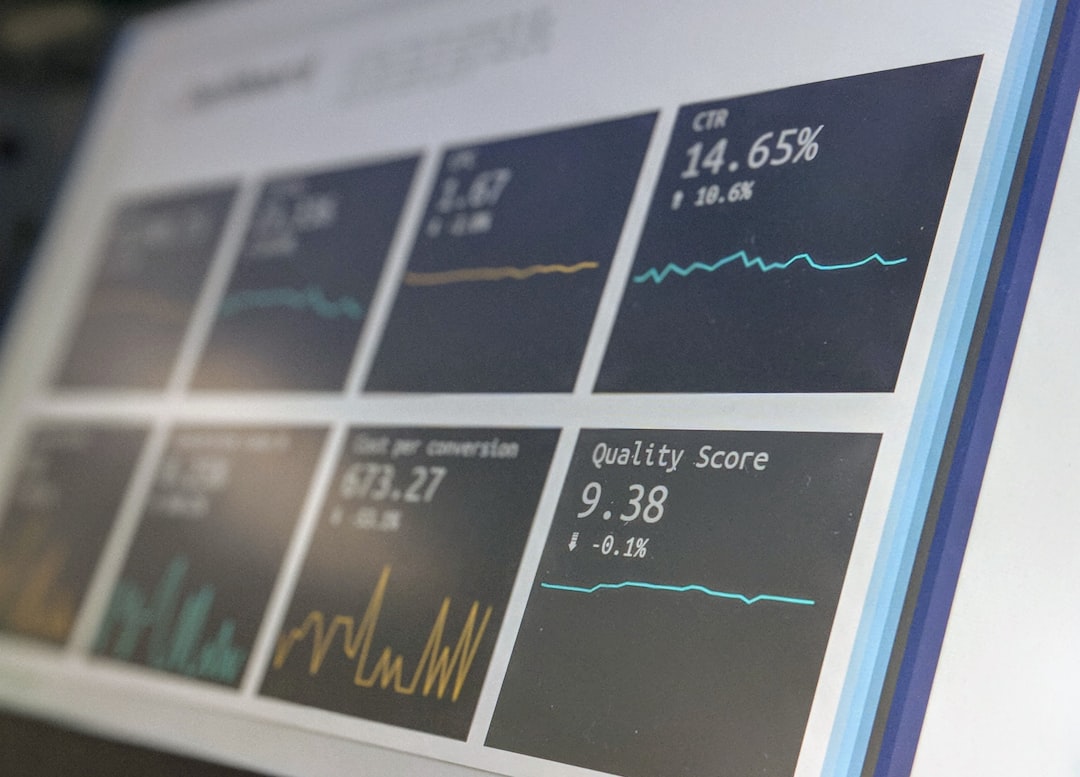
Merchant risk management has become more complex as digital payments, marketplace platforms, subscription models, and cross-border commerce continue to grow. Traditional risk checks often rely on static rules, manual reviews, and historical chargeback data, but modern fraud patterns change too quickly for those methods alone. Artificial intelligence improves merchant risk management by combining behavioral analytics with real-time transaction monitoring, helping payment providers, acquirers, and platforms detect unusual activity before it becomes a major financial or compliance problem.
TLDR: AI helps merchant risk teams identify suspicious behavior faster by analyzing how merchants normally operate and flagging deviations in real time. For example, if a merchant typically processes 200 transactions per day at an average ticket size of $45, but suddenly processes 1,500 transactions at $300 each from new locations, AI can trigger an immediate review. In many payment environments, automated monitoring can reduce manual review volume by 30% to 50% while improving early detection of fraud spikes, laundering patterns, and chargeback risk. This allows risk teams to focus on the highest-risk cases instead of reviewing every alert equally.
Why Merchant Risk Management Needs AI
Merchant risk management is not limited to detecting stolen cards or fake transactions. It also includes identifying merchant fraud, transaction laundering, excessive chargebacks, synthetic business identities, sanctions exposure, policy violations, and sudden changes in processing behavior. As payment ecosystems scale, risk teams must monitor thousands or even millions of merchant accounts across different regions and industries.
Rule-based systems can still play an important role, especially for clear policies such as blocked countries, prohibited products, or maximum transaction thresholds. However, rules usually depend on known patterns. Fraudulent merchants and bad actors often learn how to operate just below fixed limits, gradually changing behavior to avoid detection. AI is more effective because it can evaluate relationships, trends, timing, and context across huge amounts of data.

Behavioral Analytics: Understanding Normal Merchant Activity
Behavioral analytics focuses on how a merchant behaves over time. Instead of looking at a single transaction in isolation, AI systems build a profile of normal activity. This profile may include average transaction value, daily sales volume, refund rates, chargeback ratios, customer geography, device usage, checkout behavior, product categories, and business seasonality.
For example, a legitimate travel merchant may naturally see seasonal increases during holidays, while a small local retailer may have stable transaction volume throughout the month. AI can learn these patterns and distinguish between expected growth and suspicious changes. If a merchant that usually sells low-cost digital goods suddenly begins processing high-value electronics orders from multiple countries, behavioral analytics can identify the shift and assign a higher risk score.
This approach is especially valuable because not all risk indicators are obvious. A single refund may not be concerning, but a sudden increase in refunds combined with new customer acquisition from high-risk regions and mismatched product descriptions may indicate a deeper issue. AI can connect these signals faster than a manual analyst reviewing separate reports.
Real-Time Transaction Monitoring
Transaction monitoring examines payment activity as it happens. AI-powered systems can assess each transaction using multiple risk signals in milliseconds, including card issuing country, device fingerprint, IP address, transaction amount, velocity, customer history, merchant history, and payment method. The system can then approve, flag, hold, or escalate activity depending on the level of risk.
Real-time monitoring is critical because fraud can spread quickly. A fraudulent merchant may process a large number of transactions in a short period and disappear before chargebacks arrive. With AI, abnormal velocity patterns can be detected early. If a newly onboarded merchant begins processing hundreds of transactions within hours of approval, the system can trigger enhanced due diligence or temporarily limit processing volume.
- Velocity checks: Detect sudden spikes in transaction count or value.
- Geographic analysis: Identify unusual activity from unexpected regions.
- Device and IP monitoring: Spot repeated use of suspicious devices or proxy networks.
- Refund and chargeback tracking: Recognize patterns that may indicate poor-quality merchants or abuse.
- Network behavior: Detect links between merchants, customers, accounts, and payment instruments.
How AI Improves Risk Scoring
Merchant risk scoring becomes more accurate when AI combines behavioral data, transaction data, onboarding information, and external intelligence. Instead of assigning a merchant a fixed risk level at onboarding, AI enables dynamic risk scoring. This means the merchant’s risk score changes as new information becomes available.
A merchant may start as low risk after passing identity verification and business checks. However, if sales volume increases unusually fast, customer complaints rise, and transactions begin coming from unrelated countries, the risk score can increase automatically. On the other hand, a merchant with a strong processing history, low dispute rate, and stable customer base may receive fewer unnecessary reviews.
This dynamic model helps risk teams prioritize. High-risk merchants can be routed to manual review, medium-risk merchants can be monitored more closely, and low-risk merchants can continue operating with minimal friction. The result is a better balance between fraud prevention and merchant experience.

Detecting Transaction Laundering and Hidden Business Models
One of the most difficult challenges in merchant risk management is transaction laundering. This occurs when a merchant uses an approved account to process payments for another business, often one that is prohibited or higher risk. Traditional monitoring may miss this behavior if the payment descriptors and transaction amounts appear normal.
AI can help detect laundering by comparing a merchant’s declared business model with actual transaction behavior. For example, a merchant registered as a fitness coaching website may show transaction patterns more similar to gambling, adult content, or counterfeit goods. AI can analyze website content, customer complaints, transaction descriptors, refund behavior, and customer geography to identify inconsistencies.
Natural language processing can also review product descriptions, customer support messages, and website updates. If a merchant changes its site content after approval or introduces prohibited products, automated systems can flag the change. This provides earlier visibility into policy violations and reduces the risk of regulatory exposure.
Reducing False Positives and Manual Work
Risk teams often face a major operational burden from false positives. Too many alerts can overwhelm analysts and slow down legitimate merchants. AI helps by ranking alerts based on severity and likelihood. Instead of treating every unusual transaction equally, the system can identify which cases deserve immediate attention.
For instance, a sudden sales increase during a known promotional campaign may not be suspicious if the merchant has a history of seasonal marketing events. AI can factor in previous campaigns, customer mix, and product category before generating an alert. This reduces unnecessary interruptions and helps analysts investigate the most meaningful risks.
Over time, machine learning models can improve from analyst feedback. When analysts confirm or dismiss alerts, that feedback can train the system to recognize similar patterns in the future. This continuous learning process makes risk management more adaptive and efficient.
Supporting Compliance and Audit Readiness
AI also supports compliance by creating structured records of risk decisions. Payment organizations often need to prove that they performed appropriate monitoring, due diligence, and escalation. AI systems can maintain audit trails that show why a merchant was flagged, which data points influenced the score, and what action was taken.
This transparency is important for regulators, banking partners, and internal governance teams. While AI should not replace human judgment in sensitive decisions, it can provide evidence-based recommendations that make compliance reviews more consistent. Explainable AI features are especially useful because they allow analysts to understand the factors behind each risk score rather than relying on a black-box decision.
Challenges and Best Practices
Although AI offers strong advantages, it must be implemented carefully. Poor data quality, biased training data, and unclear governance can lead to inaccurate decisions. Merchants in certain industries may naturally show unusual patterns, so models should be calibrated by business type, region, and payment method.
- Use clean and diverse data: AI performs best when trained on reliable transaction, merchant, and dispute data.
- Combine rules with machine learning: Static rules still help enforce clear compliance requirements.
- Keep humans in the loop: Analysts should review high-impact decisions and provide feedback.
- Monitor model performance: Risk teams should measure false positives, missed fraud, and alert quality.
- Document decisions: Clear audit trails support accountability and regulatory readiness.
The Future of Merchant Risk Management
The future of merchant risk management is likely to involve more predictive analytics, stronger identity intelligence, and broader network-level analysis. AI will not only detect current fraud but also forecast which merchants are likely to become risky based on early behavioral signals. Payment providers may use shared intelligence across networks to identify connected fraud rings faster.
As commerce becomes more automated, risk management must also become more adaptive. Behavioral analytics and transaction monitoring give AI the context needed to identify risk in real time. When used responsibly, AI helps organizations protect revenue, reduce losses, support compliance, and give trustworthy merchants a smoother payment experience.

FAQ
How does AI help with merchant risk management?
AI helps by analyzing merchant behavior, transaction patterns, dispute activity, customer geography, and other risk signals. It can detect unusual changes faster than manual reviews or static rules alone.
What is behavioral analytics in merchant monitoring?
Behavioral analytics studies how a merchant normally operates over time. It identifies patterns such as average sales volume, ticket size, refund rate, and customer location, then flags activity that significantly deviates from those patterns.
Can AI reduce chargebacks?
AI can help reduce chargebacks by identifying risky merchants, suspicious transaction spikes, refund abuse, and early signs of customer dissatisfaction. It does not eliminate chargebacks entirely, but it improves early detection and prevention.
Is AI better than rule-based risk monitoring?
AI is usually more flexible because it can find complex patterns and adapt to new fraud tactics. However, the strongest risk programs often combine AI with rule-based controls for compliance, policy enforcement, and clear transaction limits.
Does AI replace human risk analysts?
No. AI supports analysts by prioritizing alerts, summarizing risk factors, and detecting hidden patterns. Human experts are still needed for complex investigations, final decisions, policy interpretation, and regulatory judgment.